
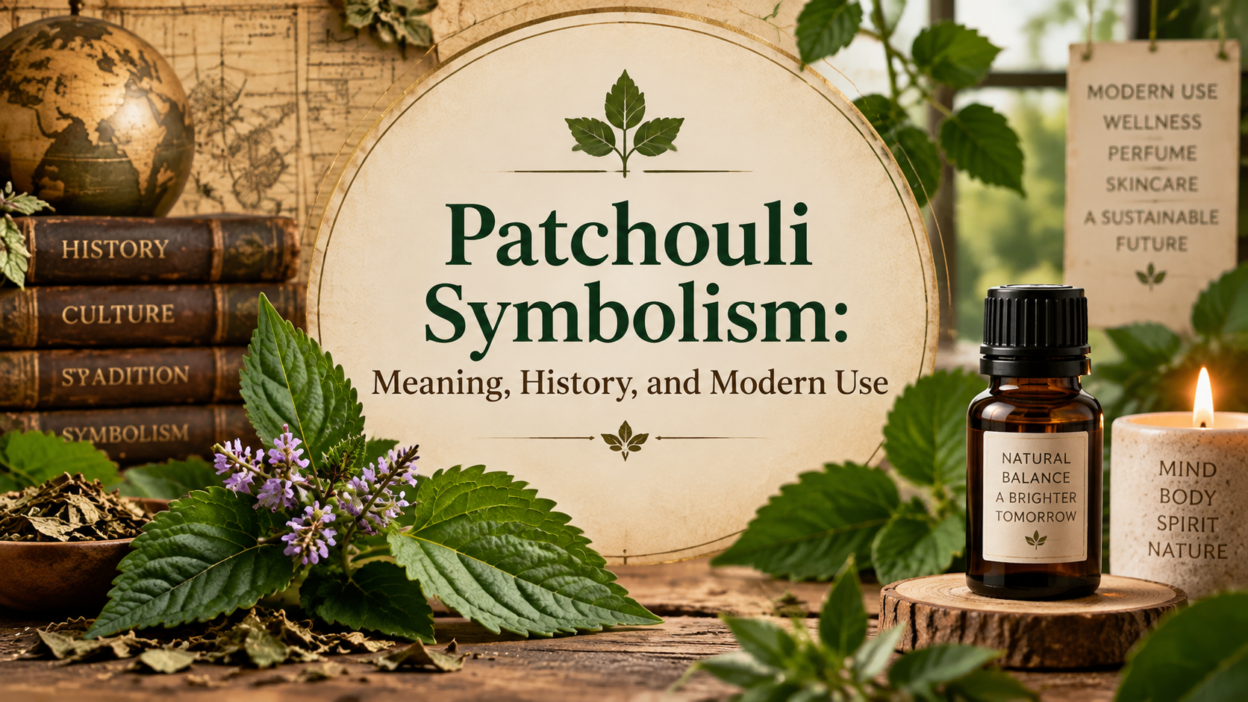
Patchouli is a fragrant herb known for its rich, earthy scent and long connection with perfume, wellness, spirituality, and personal expression. Patchouli symbolism often represents grounding, authenticity, emotional balance, and a connection to nature in modern American culture. Its meaning developed through centuries of trade, traditional practices, and changing social movements.
Today, people encounter patchouli in essential oils, candles, perfumes, incense, natural products, and personal rituals. While some associate it with relaxation and creativity, others recognize it as a symbol connected to the environmental and counterculture movements of the 1960s and 1970s. Understanding its symbolism requires looking at both its historical roots and its modern uses.
Quick Answer
Patchouli commonly symbolizes grounding, authenticity, relaxation, and a connection with nature in modern American culture, especially in wellness, fragrance, and personal style. Historically, it has also been associated with trade, traditional healing practices, spirituality, and cultural identity.
TL;DR
- Patchouli represents grounding and emotional balance.
- Ancient trade gave patchouli cultural importance.
- Americans connect it with nature and individuality.
- Fragrance culture shaped its modern image.
- Tattoos and wellness use reflect personal expression.
What Is Patchouli and Where Does It Come From?
Patchouli is a tropical plant from the mint family, scientifically known as Pogostemon cablin. It grows mainly in warm regions of Asia, including parts of India, Indonesia, Malaysia, and the Philippines. The plant has soft green leaves that produce a strong, distinctive aroma when dried and processed.
Unlike flowers that symbolize beauty through appearance, patchouli is mostly recognized through its scent. Its fragrance is often described as earthy, woody, sweet, and slightly spicy. This unique smell helped it become valuable in perfume-making and cultural practices.
In the United States, many people encounter patchouli through essential oils, natural perfumes, handmade soaps, candles, incense, and aromatherapy products. Its scent often creates associations with calm environments, creativity, and natural living.
What Patchouli Commonly Means in the United States
In modern American culture, patchouli is often connected with ideas of simplicity, individuality, and a closer relationship with nature. Because of its popularity among natural product communities and alternative lifestyle movements, many people see it as a symbol of authenticity.
Patchouli can represent a desire to slow down and create a peaceful environment. Its earthy scent is commonly used in spaces designed for relaxation, meditation, yoga, or personal reflection.
However, its meaning is not limited to one group or belief system. Some people enjoy patchouli simply because they like its fragrance, while others connect it with memories, creativity, or personal identity.
| Context | Meaning in the USA | Common Associations | Notes |
|---|---|---|---|
| Fragrance | Individuality and natural style | Perfume, personal expression | Often chosen for its unique scent |
| Wellness | Calm and grounding | Relaxation, meditation | Used in oils and candles |
| History | Cultural exchange | Trade and traditional practices | Connected with Asian origins |
| Lifestyle | Authentic living | Nature, simplicity | Popular in natural communities |
| Personal items | Identity and memory | Jewelry, tattoos, gifts | Often carries personal meaning |
Ancient Roots and Early Cultural Connections
Patchouli gained importance long before it became associated with modern wellness culture. Its history is closely connected to Asian trade routes, where dried patchouli leaves were valued for their strong scent.
For centuries, merchants used patchouli leaves to protect fabrics and valuable goods during long journeys. The fragrance helped mask unwanted odors and was believed to keep insects away from stored materials. This practical use helped spread patchouli across different regions.
In parts of India and Southeast Asia, patchouli became connected with traditional practices involving fragrance, personal care, and cultural ceremonies. Its scent was valued not only for enjoyment but also for creating meaningful environments.
As international trade expanded, patchouli reached Europe and later North America. Its journey from a regional plant to a globally recognized fragrance ingredient shows how symbols can change as cultures interact.
The Historical Role of Patchouli in Perfume and Trade
Patchouli’s role in perfume history strongly influenced how people understand it today. During the 19th century, European perfume makers used patchouli because of its ability to add depth and richness to fragrances.
The scent became especially important in luxury textiles. Cashmere shawls imported from India were sometimes protected with patchouli leaves because the aroma helped identify authentic products. Over time, the connection between patchouli and valuable fabrics contributed to its association with exotic beauty and craftsmanship.
In American fragrance culture, patchouli became recognized as a distinctive scent rather than a simple ingredient. Unlike lighter floral fragrances, patchouli created a bold impression. This helped it become associated with people who preferred unconventional or expressive styles.
Spiritual and Emotional Symbolism of Patchouli
Patchouli is often linked with emotional grounding because of its earthy aroma. Many people associate earthy scents with stability, comfort, and a connection to the physical world.
In wellness settings, patchouli is commonly used during relaxation practices. Some people believe its scent helps create a peaceful atmosphere, although individual experiences with fragrance can vary.
Symbolically, patchouli may represent:
- Staying connected to personal values
- Finding balance during stressful periods
- Appreciating nature and simplicity
- Creating a calm personal space
These meanings come from cultural associations and personal experiences rather than a universal rule. Different communities may interpret the scent in different ways.
Patchouli Symbolism in American Counterculture
One of the strongest modern associations with patchouli developed during the 1960s and 1970s. In the United States, patchouli became strongly connected with the hippie movement and alternative lifestyles.
During this period, many young Americans embraced natural products, environmental awareness, handmade goods, and traditional Eastern influences. Patchouli oil and incense became recognizable parts of this cultural expression.
Because of this history, patchouli is sometimes associated with:
- Environmental awareness
- Peace movements
- Nontraditional lifestyles
- Artistic creativity
- Personal freedom
These associations remain part of its cultural identity, although modern uses of patchouli extend far beyond that era.
Why Patchouli Represents Individuality and Authenticity
Patchouli has a strong scent that people usually notice immediately. Unlike fragrances designed to blend quietly, patchouli often creates a recognizable presence.
Because of this quality, many people associate patchouli with confidence and personal identity. Someone who chooses patchouli-based products may be expressing a preference for natural scents, unique styles, or less mainstream choices.
In American culture, where personal branding and self-expression are important, patchouli can symbolize choosing something different from common trends.
The plant’s symbolism often connects with the idea of being comfortable with personal choices rather than following every popular style.
Patchouli in Tattoos, Jewelry, and Personal Expression
Although patchouli is less common as a tattoo symbol than animals, flowers, or celestial designs, it can still appear in personal artwork. People who choose patchouli imagery often connect it with nature, herbal traditions, creativity, or meaningful memories.
A patchouli tattoo may symbolize:
- A love of plants and natural living
- Personal growth
- Connection with the earth
- A peaceful lifestyle
- Interest in herbal traditions
Jewelry and handmade items featuring patchouli themes may carry similar meanings. The symbolism usually comes from the person’s own relationship with the plant rather than a fixed cultural definition.
Cross-Cultural Meanings of Patchouli
Although patchouli has developed strong associations in modern American culture, its meanings differ across regions and traditions. The plant’s history reflects centuries of movement between cultures through trade, fragrance, and traditional practices.
In South and Southeast Asia, patchouli has long been valued as a fragrant plant used in personal care, textiles, and cultural settings. Its aroma became connected with hospitality, cleanliness, and traditional fragrance practices.
In India, aromatic plants often hold an important place in daily life, ceremonies, and traditional approaches to wellness. Patchouli became one of many natural ingredients appreciated for its scent and practical uses.
In Europe, patchouli became known mainly through perfume and imported textiles. Its unusual fragrance created associations with luxury goods, craftsmanship, and foreign trade.
Modern interpretations of patchouli continue to combine these influences. Some people view it as a symbol of nature, while others see it as a reminder of cultural exchange and historical connections between different parts of the world.
Patchouli and Nature-Based Symbolism
Because patchouli comes from a plant, many symbolic interpretations connect it with the natural world. Its earthy scent creates associations with soil, forests, gardens, and outdoor environments.
In the United States, nature-based symbols often represent a desire for balance between modern life and the environment. Patchouli fits this idea because it is frequently used in natural products, eco-conscious brands, and handmade goods.
The plant can represent:
- Respect for natural resources
- Appreciation for simple living
- A connection with the earth
- Awareness of environmental choices
This connection has helped patchouli remain popular among people interested in gardening, herbal products, sustainable lifestyles, and natural wellness.
The Role of Patchouli in Aromatherapy and Wellness Culture
Patchouli became widely recognized in American wellness communities through essential oils and aromatherapy products. Its deep fragrance is often used in candles, diffusers, massage oils, and relaxation products.
Many people associate the scent with creating a calm environment. A person may use patchouli during meditation, journaling, yoga, or quiet personal routines because the aroma helps establish a certain mood.
However, the symbolic meaning of patchouli in wellness culture is personal. Some people connect it with relaxation, while others simply enjoy its distinctive fragrance.
The plant’s popularity in wellness reflects a broader cultural interest in natural experiences and creating intentional spaces at home.
Patchouli Symbolism in Home Decor and Personal Spaces
Scents play an important role in how people experience their homes. Patchouli is often used in candles, incense, room sprays, and handmade decorations because it creates a warm and earthy atmosphere.
In American home design, patchouli may represent:
- Comfort and relaxation
- Creativity
- A welcoming environment
- Personal taste
People who choose patchouli-based home products often prefer spaces that feel natural, artistic, or connected to personal memories.
Unlike decorative symbols that are visible, scent-based symbolism works through emotion and memory. A particular fragrance can remind someone of a place, person, or period of life.
Patchouli in Fashion and Personal Style
Patchouli has influenced fashion culture through perfumes, oils, and personal care products. Its bold scent has often been chosen by people who want a fragrance that feels different from traditional floral or fresh perfumes.
In American fashion and lifestyle culture, patchouli can symbolize:
- Independent taste
- Creativity
- A connection with handmade traditions
- Preference for natural ingredients
The scent became especially recognizable among artists, musicians, and alternative communities. Over time, it moved from a niche association into mainstream fragrance markets.
Today, patchouli appears in many perfume blends, including luxury fragrances and everyday products. Its meaning has expanded beyond one cultural group.
Common Misunderstandings About Patchouli Symbolism
Because patchouli became strongly connected with certain social movements, some stereotypes developed around the scent. Some people still associate it only with the hippie movement of the 1960s and 1970s.
This narrow view does not represent the full history of the plant. Patchouli existed as a valuable fragrance ingredient long before its connection with American counterculture.
Another misunderstanding is that patchouli has one fixed symbolic meaning. In reality, symbols change depending on personal experiences, cultural background, and historical context.
For one person, patchouli may represent relaxation and nature. For another, it may simply represent a favorite fragrance or a meaningful memory.
Positive and Negative Associations of Patchouli
Like many symbols, patchouli has both positive and negative cultural associations.
Positive meanings often include:
- Grounded living
- Creativity
- Natural beauty
- Individual expression
- Emotional comfort
Negative associations usually come from stereotypes rather than the plant itself. Some people connect the scent with outdated images of alternative lifestyles or strong fragrances they personally dislike.
Understanding these differences helps separate cultural history from personal preference. A symbol can carry different meanings for different audiences.
| Association | Positive Interpretation | Possible Misunderstanding |
|---|---|---|
| Earthy scent | Connection with nature | Seen as too strong by some people |
| Alternative culture | Creativity and individuality | Limited only to one movement |
| Wellness use | Relaxation and self-care | Assumed to have guaranteed effects |
| Traditional use | Cultural heritage | Oversimplified meanings |
| Perfume | Unique personal style | Viewed as old-fashioned |
The Evolution of Patchouli Meaning Over Time
Patchouli’s symbolism has changed as it moved between cultures and generations. Originally valued mainly for fragrance, trade, and practical uses, it later gained new meanings through social movements and modern wellness trends.
In earlier periods, patchouli represented craftsmanship, valuable goods, and cultural exchange. During the 20th century, many Americans connected it with freedom, environmental awareness, and alternative lifestyles.
Today, patchouli has a broader identity. It appears in luxury perfumes, natural products, home fragrances, and personal wellness routines.
This evolution shows how symbols are not permanent. Their meanings develop as people create new relationships with them.
Modern Uses of Patchouli Symbolism
Today, patchouli appears in many areas of American life. Its symbolism is often connected with personal expression rather than a shared cultural rule.
Common modern uses include:
Perfume and Beauty Products
Patchouli is used in fragrances because it adds warmth and depth. Many perfume makers combine it with floral, citrus, or woody notes.
Candles and Home Products
Patchouli scents are used to create relaxing or artistic environments.
Wellness Practices
Essential oils and aromatherapy products often feature patchouli as part of calming routines.
Creative Identity
Artists, designers, and individuals may use patchouli imagery or scents to express uniqueness.
Gifts and Handmade Products
Patchouli soaps, oils, and candles are often chosen because they represent natural living and personal care.
Patchouli Symbolism in Modern American Identity
In the United States, patchouli often represents a balance between individuality and connection with nature. It appeals to people who value handmade products, environmental awareness, and personal expression.
The meaning is especially visible in communities focused on:
- Sustainable living
- Natural beauty products
- Artistic creativity
- Mindful lifestyles
- Personal wellness
At the same time, patchouli has become more mainstream. It is no longer limited to one group or generation. Its symbolism now depends more on individual interpretation than social identity.
Frequently Asked Questions About Patchouli Symbolism
What does patchouli symbolize?
Patchouli commonly symbolizes grounding, individuality, nature, and emotional balance. In modern American culture, it is often connected with natural living, creativity, and personal expression.
What does patchouli symbolize in spirituality?
Patchouli is often associated with grounding and creating a peaceful atmosphere in spiritual and wellness practices. These meanings come from cultural traditions and personal beliefs rather than one universal interpretation.
What does a patchouli tattoo symbolize?
A patchouli tattoo may symbolize a connection with nature, herbal traditions, creativity, or a personal appreciation for natural living. The meaning usually depends on the individual’s experience with the plant.
Why is patchouli associated with hippie culture?
Patchouli became strongly connected with American hippie culture during the 1960s and 1970s because many people in that movement used natural fragrances, incense, and products linked with alternative lifestyles.
Is patchouli considered a positive symbol?
For many people, patchouli represents positive ideas such as relaxation, creativity, and connection with nature. However, some people have personal dislikes about its strong scent, creating different reactions.
What cultures use patchouli?
Patchouli has historical connections with South and Southeast Asian regions, where it was valued for fragrance and practical uses. It later became important in European perfume traditions and American fragrance culture.
Does patchouli have a religious meaning?
Patchouli is not tied to one specific religion. Some spiritual communities use its scent during personal practices, but interpretations vary between traditions and individuals.
Conclusion
Patchouli represents more than a recognizable fragrance. Its meanings have developed through trade, cultural exchange, perfume history, wellness practices, and personal expression.
In modern American culture, patchouli symbolism is often connected with grounding, individuality, nature, and creating meaningful personal spaces. Its history shows how a simple plant can take on different meanings as it travels across cultures and generations.
Rather than having one fixed definition, patchouli continues to reflect the experiences and values of the people who choose to use it.


