
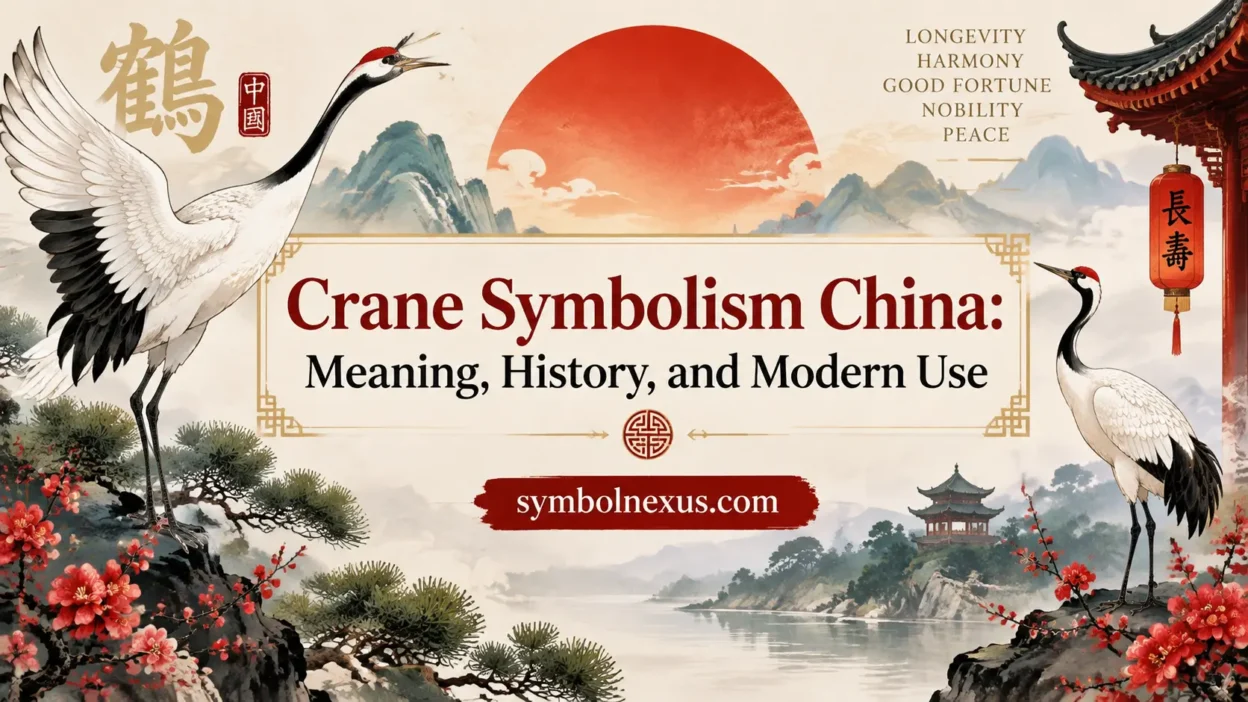
Cranes are among the most recognizable birds in East Asian art, folklore, and design. Crane symbolism China is often connected with longevity, wisdom, peace, and good fortune, making the bird an important image in traditional Chinese culture and modern interpretations around the world.
The crane’s tall body, long neck, elegant movement, and ability to live for many years helped shape its symbolic role. In Chinese paintings, decorations, clothing, and architecture, cranes often appear as signs of harmony, high status, and a wish for a long and meaningful life.
In the United States, interest in Chinese symbols has grown through art, tattoos, home design, literature, and cross-cultural appreciation. Many Americans view the crane as a symbol of patience, balance, personal growth, and connection between nature and human values.
Quick Answer
Crane symbolism China commonly represents longevity, peace, wisdom, and good fortune in modern American interpretations of Chinese culture. Historically, the crane was associated with long life, spiritual refinement, and social honor in Chinese art and traditions.
TL;DR
- Cranes represent longevity and peaceful living.
- Chinese art connects cranes with wisdom and honor.
- Americans often use cranes for balance and growth.
- Crane imagery appears in tattoos and decor.
- Misunderstandings can occur outside Chinese traditions.
What the Crane Represents in Chinese Culture
The crane holds one of the most respected symbolic positions among birds in Chinese tradition. Its graceful appearance and long lifespan contributed to associations with health, stability, and a calm approach to life.
Unlike symbols based on strength or aggression, the crane represents qualities developed over time. Its image suggests careful movement, self-control, and dignity. In traditional Chinese visual culture, the crane often appears beside other symbols of prosperity and harmony.
Many Chinese artworks use cranes as a way to express wishes rather than simply decorate a space. A painting featuring cranes may communicate hopes for a long life, family well-being, or continued success.
The Physical Features That Shaped Crane Symbolism
The crane’s appearance strongly influenced its symbolic meanings. Its tall frame, white feathers, extended neck, and slow movements create an image of elegance and calmness.
White cranes especially became connected with purity and refinement. Their ability to stand still for long periods also contributed to ideas of patience and thoughtful action.
In Chinese artwork, cranes are usually shown standing near water, mountains, pine trees, or clouds. These natural settings reinforce themes of endurance, peacefulness, and a connection with the larger world.
Ancient Roots and Early Chinese Symbolism
The crane’s symbolic importance developed over centuries in Chinese culture. Early traditions connected the bird with ideas of long life and elevated status because people observed its behavior and associated it with endurance.
In Chinese folklore, cranes were sometimes linked with immortals and spiritual figures. The bird became a visual expression of reaching beyond ordinary concerns and seeking a more balanced existence.
However, these associations varied across different periods and communities. The crane was not always viewed through one single meaning; its symbolism changed as art, religion, and social traditions developed.
The Crane in Chinese Art and Painting
Chinese ink painting frequently features cranes because artists used animals and landscapes to express philosophical ideas. A crane in a painting could represent a peaceful life, personal virtue, or hopes for prosperity.
One common image is a crane standing near a pine tree. The pine tree represents endurance because it remains green through changing seasons, while the crane represents long life. Together, they create a message of lasting strength and stability.
Cranes also appear in decorative objects, ceramics, screens, and embroidered textiles. These designs allowed symbolic messages to become part of everyday environments.
Crane Symbolism in Chinese Folklore and Beliefs
Chinese folklore includes many stories involving cranes and their connection to longevity. Some legends describe cranes as companions of immortals or creatures that carry spiritual figures between worlds.
These stories influenced how people viewed the bird, but interpretations were not limited to supernatural ideas. The crane also represented practical human values such as discipline, respect, and a peaceful lifestyle.
In traditional settings, a crane image could express admiration for someone’s wisdom or hopes that an elder would enjoy a long and healthy life.
How Americans Interpret Crane Symbolism Today
In the United States, crane imagery is often separated from its original cultural setting and interpreted through broader ideas of peace, nature, and personal meaning.
Many Americans associate cranes with:
| Context | Meaning in the USA | Common Associations | Notes |
|---|---|---|---|
| Home Decor | Peace and balance | Calm spaces, nature themes | Often inspired by Asian design |
| Tattoos | Growth and endurance | Personal journeys | Meaning depends on individual choice |
| Art | Beauty and harmony | Landscapes, meditation | Common in cultural artwork |
| Gifts | Good wishes | Health and longevity | Often given for special occasions |
American interpretations often focus less on traditional hierarchy and more on emotional connection. A crane may represent someone’s journey through change, recovery, or personal development.
The Crane’s Meaning in Tattoos and Personal Style
Crane tattoos have become popular among people interested in Asian-inspired art, birds, and nature symbolism. The design may represent freedom, patience, resilience, or a desire for a peaceful life.
Some people choose cranes after major life transitions, such as overcoming difficulties or beginning a new chapter. Others choose the bird because of its visual beauty and connection with balance.
When using Chinese-inspired imagery, respectful understanding matters. A crane tattoo can have personal meaning, but learning about its cultural background helps avoid reducing a traditional symbol into a simple decoration.
Crane Symbolism in Weddings, Gifts, and Celebrations
Cranes are often associated with positive wishes, which makes them suitable for celebrations. In Chinese and broader East Asian traditions, crane imagery may appear in gifts, artwork, and decorations connected with happiness and long life.
In American settings, crane designs may appear in wedding themes, especially when couples want symbols connected with loyalty, harmony, and a lasting relationship.
The crane’s association with commitment also connects with the idea of two cranes appearing together. Paired cranes are often interpreted as representing companionship and shared life paths.
Emotional and Psychological Meaning of the Crane
Beyond cultural traditions, cranes can represent emotional qualities that many people recognize across societies.
The bird’s calm appearance encourages ideas of patience and emotional control. A crane does not symbolize quick reactions; instead, it suggests thoughtful movement and awareness.
For many people, crane imagery creates feelings of:
- calmness during change
- hope for the future
- respect for aging and experience
- appreciation for natural beauty
These interpretations help explain why crane images remain popular in modern design and personal expression.
Religious and Spiritual Interpretations of Cranes
Crane symbolism appears in several Asian religious and philosophical traditions, including ideas influenced by Daoism and Buddhism. In these contexts, the bird may represent harmony, spiritual refinement, and a connection between human life and nature.
The exact meaning depends on the tradition and artwork. A crane in a religious painting may carry different symbolism from a crane used in decorative design.
In the United States, people often encounter crane imagery through cultural art rather than religious practice. Many viewers appreciate the symbol for its themes of peace and balance without attaching a specific spiritual belief.
Modern Uses in Fashion, Design, and Pop Culture
Today, crane imagery appears in many creative fields. Designers use cranes in clothing patterns, jewelry, wallpapers, logos, and illustrations because the bird communicates elegance and movement.
Japanese and Chinese-inspired fashion frequently uses cranes as decorative elements. In digital culture, crane images may appear in artwork, animations, and online communities focused on nature or cultural design.
Modern use has expanded the symbol’s audience, but meanings continue to depend on context. A crane on a traditional painting may communicate heritage, while a crane on a modern accessory may represent personal style.
Common Misunderstandings About Crane Symbolism
One common misunderstanding is treating all Asian crane symbolism as identical. Chinese, Japanese, and Korean traditions share some connections with cranes, but each culture developed its own interpretations.
Another misunderstanding is assuming cranes only represent spiritual ideas. While folklore includes spiritual associations, the bird also represents practical values such as longevity, respect, and peaceful living.
Modern commercial use can sometimes remove the cultural background and turn the crane into a generic “Asian symbol.” Understanding its history creates a more accurate appreciation.
How Crane Meanings Have Changed Over Time
The meaning of cranes has evolved as the symbol moved between cultures and generations. In traditional China, cranes often communicated wishes for longevity, wisdom, and social respect.
Today, the crane has gained broader meanings. Many people view it as a symbol of personal growth, environmental awareness, and emotional balance.
This change does not erase its historical roots. Instead, it shows how symbols continue to adapt when they enter new cultural environments.
Why the Crane Remains Important in Modern Culture
The crane continues to attract attention because its symbolism connects with ideas that remain meaningful today. People still value long life, peaceful relationships, wisdom, and harmony with nature.
In a fast-changing world, the crane represents qualities associated with patience and steady progress. Its image provides a reminder that growth can happen through careful movement rather than constant speed.
Frequently Asked Questions
What does crane symbolism mean in Chinese culture?
Crane symbolism in Chinese culture is mainly associated with longevity, wisdom, peace, and good fortune. The bird has appeared in art and traditions as a symbol of respected qualities and hopes for a long life.
What does a crane tattoo symbolize?
A crane tattoo can represent personal growth, patience, freedom, or endurance. The meaning depends on the person, but many designs draw inspiration from Chinese and East Asian traditions.
Are cranes considered lucky in Chinese culture?
Yes, cranes are often viewed as positive symbols connected with long life and good wishes. They frequently appear in artwork created to express hopes for health and prosperity.
What does a white crane symbolize?
A white crane is commonly associated with purity, elegance, and longevity. In traditional artwork, its appearance often strengthens themes of refinement and peaceful living.
Is crane symbolism religious?
Crane symbolism can appear in religious and philosophical traditions, but it is not limited to religion. Many people also understand cranes through cultural, artistic, and personal meanings.
How do Americans view crane symbolism?
Many Americans interpret cranes as symbols of peace, balance, nature, and personal transformation. These interpretations often combine traditional Asian meanings with modern individual expression.
Conclusion
The crane has remained meaningful because it represents qualities people continue to value: patience, harmony, wisdom, and a long life. Crane symbolism China reflects centuries of Chinese artistic and cultural traditions while also influencing how people around the world understand this elegant bird.
In modern American culture, cranes are often appreciated through tattoos, artwork, design, and personal symbolism. Learning the original meanings behind the image allows people to enjoy its beauty while respecting the traditions that shaped it.


