Quick Answer: What Does a Lime Tree Symbolize?
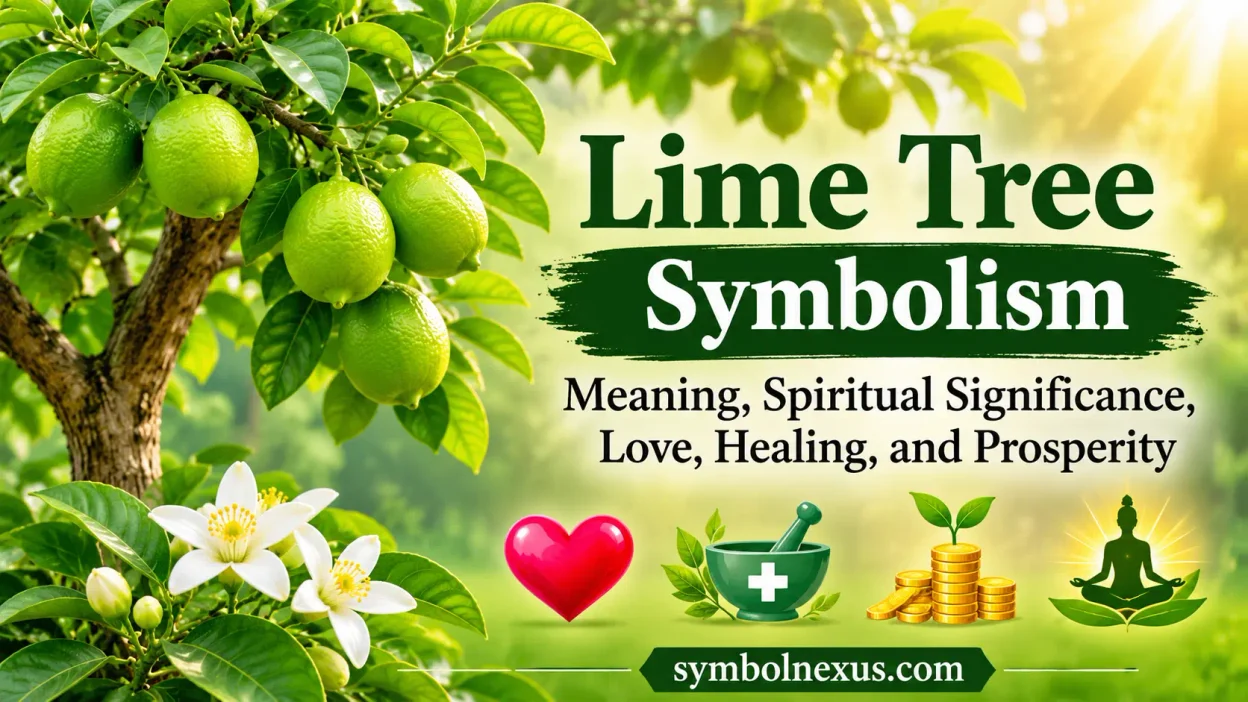
The lime tree commonly symbolizes love, healing, protection, renewal, prosperity, peace, and emotional balance. Its fragrant blossoms, green leaves, and refreshing fruit connect it with vitality, growth, and natural abundance. Spiritually, the lime tree can represent purification, fresh beginnings, positive energy, and the importance of nurturing relationships. Its meaning varies across cultures and depends on whether the reference is to the citrus lime tree or the European linden tree, which is also sometimes called a lime tree.
TL;DR: Key Meanings of Lime Tree Symbolism
- Renewal and growth: Green leaves and fresh fruit represent vitality and new beginnings.
- Love and relationships: Fragrant blossoms can symbolize affection, romance, and emotional connection.
- Healing and cleansing: Lime fruit is associated with freshness and purification in many modern symbolic interpretations.
- Prosperity: Abundant fruit can represent success, fertility, and good fortune.
- Protection: Lime trees may serve as personal symbols of safety and positive energy.
- Peace and harmony: Their natural beauty and fragrance can suggest calmness and emotional balance.
- Resilience: Their ability to grow and produce fruit represents perseverance and continued development.
1. The General Symbolism of the Lime Tree
Lime trees are associated with freshness, vitality, abundance, and renewal. Their green foliage, fragrant flowers, and bright citrus fruit create a strong connection with the natural cycles of growth and nourishment.
A healthy lime tree produces fruit that is both visually appealing and useful in everyday life. This combination of beauty and practicality makes it a meaningful symbol of productivity, generosity, and the rewards of consistent care.
The lime tree can represent the idea that growth requires patience. A tree does not produce fruit immediately after planting. It needs suitable conditions, nourishment, and time to develop.
Symbolically, this process reflects personal development. Meaningful achievements often come from steady effort rather than instant results.
2. Lime Tree Symbolism: Growth and Renewal
One of the strongest meanings associated with lime trees is renewal.
Their green leaves and seasonal growth connect them with nature’s ability to recover and begin again. Even after difficult conditions, a healthy tree can continue growing and producing new leaves and fruit.
As a symbol, the lime tree can represent:
- Fresh beginnings after difficult experiences.
- Personal development and self-improvement.
- Renewed energy and motivation.
- Recovery from emotional challenges.
- The courage to embrace change.
The lime tree can serve as a reminder that growth is an ongoing process. A difficult period does not have to define the rest of your life.
Its symbolism encourages people to release what no longer supports them and make room for healthier opportunities.
3. The Spiritual Meaning of the Lime Tree
In modern spiritual interpretations, the lime tree can symbolize purification, vitality, protection, emotional renewal, and connection with nature.
Its fruit is often associated with cleansing and freshness, while its green leaves represent life and continued growth.
Some spiritual interpretations connect the lime tree with:
Purification: Lime fruit can symbolize releasing negativity and making space for a fresh perspective.
Positive energy: Its bright fruit and fragrant blossoms may represent optimism, enthusiasm, and renewed motivation.
Spiritual growth: The tree’s development can symbolize becoming more aware of personal values and purpose.
Protection: A flourishing tree may serve as a personal symbol of stability, safety, and a nurturing environment.
Harmony: Its connection with nature can encourage balance between emotional, physical, and spiritual well-being.
These interpretations are symbolic rather than universal religious teachings. Different individuals and traditions may attach different meanings to the tree.
4. Lime Tree Symbolism and Love
Lime trees can symbolize affection, romance, emotional connection, and the importance of nurturing relationships.
Their fragrant flowers and fresh fruit create associations with attraction, vitality, and the enjoyment of shared experiences.
In relationship symbolism, a lime tree may represent:
- Love that develops gradually.
- Trust and mutual understanding.
- Emotional nourishment.
- Commitment and patience.
- Fresh beginnings in relationships.
A flourishing lime tree can serve as a metaphor for a healthy relationship. Just as a tree needs consistent care to remain strong, meaningful connections require attention, communication, and respect.
The tree may also represent the ability to move forward after relationship difficulties and build stronger emotional connections.
5. Lime Tree Symbolism and Healing
Limes have long been valued as food ingredients, and their fresh aroma and acidic juice make them recognizable symbols of cleansing and refreshment.
This practical connection contributes to their symbolic association with healing and renewal.
The lime tree may represent:
- Recovering after a difficult experience.
- Releasing emotional burdens.
- Restoring energy and motivation.
- Developing healthier habits.
- Finding peace after uncertainty.
In symbolic language, healing does not always mean returning to the way things were before. It can also mean developing a healthier relationship with yourself and learning from past experiences.
The lime tree represents this process of gradual restoration.
Its symbolic association with healing should not be confused with medical evidence. Lime fruit may be part of a balanced diet, but it is not a cure for illness.
6. Lime Tree Symbolism and Prosperity
A fruit-bearing tree naturally suggests abundance and productivity.
Because lime trees can produce many fruits under suitable growing conditions, they can symbolize prosperity, opportunity, and the rewards of sustained effort.
In personal interpretations, a lime tree may represent:
- Financial growth.
- Successful projects.
- Business opportunities.
- Family abundance.
- Fertility and creativity.
- Gratitude for available resources.
Its symbolism is not limited to material wealth. Prosperity can also mean having supportive relationships, good opportunities, meaningful work, and a sense of fulfillment.
A productive lime tree reminds us that abundance often develops through patience, preparation, and responsible care.
7. Lime Tree Symbolism and Protection
Trees have long served practical roles as sources of shelter, shade, and nourishment. These qualities help explain why they often become symbols of protection.
A lime tree may represent a safe and supportive environment where people can rest, recover, and feel connected to nature.
Its protective symbolism can include:
- Family security.
- Emotional stability.
- A sense of belonging.
- Strength during difficult times.
- The importance of healthy boundaries.
In personal spiritual practice, someone may view a lime tree as a reminder to protect their peace and surround themselves with supportive people.
However, these are symbolic interpretations, not evidence that a lime tree provides supernatural protection.
8. Lime Tree Symbolism and Peace
The appearance of a tree can create a sense of calm, especially when it grows in a garden or peaceful outdoor space.
Lime trees are associated with peace through their green foliage, fragrant flowers, and connection with natural environments.
They can symbolize:
- Emotional calmness.
- Harmony within the family.
- Rest and reflection.
- Balance between work and personal life.
- Appreciation of simple experiences.
The lime tree may also represent the importance of slowing down. Its steady growth reminds us that not every part of life needs to happen quickly.
9. The Symbolism of Lime Tree Blossoms
Lime tree blossoms are often small, pale, and fragrant. Their delicate appearance gives them associations with beauty, affection, and new opportunities.
In symbolic interpretations, lime blossoms can represent:
Love and tenderness: Their fragrance and delicate appearance can suggest affection and emotional warmth.
New beginnings: Blossoming represents the arrival of a new stage of growth.
Attraction: Their pleasant scent can symbolize charm, connection, and the ability to draw positive experiences.
Peace: Their gentle appearance can suggest tranquility and emotional harmony.
Potential: Flowers represent the possibility of future fruit, making them symbols of promise and development.
Lime blossoms are also valued by pollinators and are used in some traditional herbal preparations, particularly blossoms from linden trees. The botanical identity matters because citrus lime blossoms and European linden blossoms are not the same.
10. The Symbolism of Lime Fruit
Lime fruit has a distinctive green color, refreshing scent, and sharp, acidic taste. These qualities contribute to its symbolic meanings.
| Lime Fruit Feature | Symbolic Meaning |
|---|---|
| Green color | Growth, renewal, and vitality |
| Fresh aroma | Cleansing and freshness |
| Sour taste | Honesty, challenges, and life’s contrasts |
| Juice | Nourishment and restoration |
| Abundant fruit | Prosperity and productivity |
| Bright appearance | Optimism and energy |
Green Limes
Green limes commonly symbolize renewal, health, growth, and natural vitality. Their color connects them with living plants and the continuing cycle of nature.
Ripe Limes
Ripe fruit can symbolize maturity, achievement, and the rewards of patience. It represents the moment when earlier effort begins producing visible results.
Sour Limes
The sour taste of lime can represent difficult experiences, honesty, and the idea that life contains both pleasant and challenging moments.
11. Lime Tree Symbolism in Different Cultures
The cultural meaning of a lime tree depends partly on which tree is being discussed. In botanical terminology, citrus lime trees and European lime or linden trees belong to different plant groups.
Citrus Lime Trees
Citrus lime trees are valued in many tropical and subtropical regions for their fruit. In everyday cultural symbolism, limes can be associated with freshness, hospitality, food, nourishment, and household traditions.
In some communities, lime fruit is also used in customs involving cleansing or protection. These practices vary and should not be treated as universal beliefs.
European Linden or Lime Trees
In parts of Europe, the word “lime tree” refers to the linden tree, which is botanically different from the citrus lime.
Linden trees have an important place in several European cultural traditions. They have historically been associated with community gatherings, love, peace, justice, and protection.
In Germanic and Slavic folklore, linden trees have appeared as meaningful community and sacred trees. Their shade and presence in village spaces helped make them symbols of gathering and social connection.
South Asian Context
Citrus limes are widely used in South Asian cooking and household traditions. In some communities, limes and other citrus fruits are included in customs associated with warding off the evil eye or welcoming protection.
These practices are culturally specific and vary by region, family, and tradition.
12. Lime Tree Symbolism in Dreams
Dreaming about a lime tree can have different personal meanings depending on the condition of the tree and the emotions experienced during the dream.
There is no scientifically established universal meaning for lime tree dreams. However, the tree can serve as a personal symbol of growth, renewal, relationships, and abundance.
Dreaming of a Healthy Lime Tree
A healthy lime tree may represent personal development, stability, and positive opportunities. It could reflect a period when your efforts are beginning to produce results.
Dreaming of a Lime Tree Full of Fruit
A fruit-filled tree may symbolize abundance, achievement, creativity, and satisfaction.
It can also represent the rewards of patience and consistent effort.
Dreaming of Planting a Lime Tree
Planting a lime tree may represent beginning a new project, developing a relationship, or investing in a long-term goal.
Dreaming of a Dry or Dying Lime Tree
A struggling tree may reflect exhaustion, neglected responsibilities, or concerns about personal growth.
It may encourage reflection on areas of life that need attention.
Dreaming of Picking Limes
Picking limes may symbolize receiving the results of your work, recognizing an opportunity, or enjoying the benefits of something you have developed.
Dreaming of Lime Blossoms
Lime blossoms may represent affection, hope, new possibilities, and the early stages of an important development.
13. Lime Tree Symbolism in a Garden or Home
A lime tree growing in a garden can represent family life, nourishment, stability, and a connection with nature.
Because fruit trees provide useful harvests, they may also symbolize generosity and the satisfaction of caring for something over time.
In a home environment, a lime tree can serve as a personal reminder of:
- Family relationships.
- Natural abundance.
- Healthy routines.
- Patience and responsibility.
- Appreciation for everyday blessings.
Some people also incorporate citrus plants into garden designs because of their fragrance, attractive foliage, and fruit.
14. Lime Tree Symbolism and Personal Growth
The lime tree offers a useful metaphor for personal development.
A tree grows through different stages. It develops roots, produces leaves, blossoms, and eventually bears fruit. Each stage has its own purpose, and none can be skipped without affecting the overall process.
This can reflect the stages of human growth:
- Roots: Developing values, identity, and a strong foundation.
- Leaves: Learning, exploring, and gaining experience.
- Blossoms: Discovering potential and new opportunities.
- Fruit: Achieving goals and enjoying the results of effort.
- Continued growth: Learning from experience and preparing for future challenges.
The lime tree reminds us that personal growth is not always immediately visible. Some of the most important developments happen quietly before others can recognize them.
15. Lime Tree Symbolism in Art and Literature
Trees often appear in creative works as symbols of life, identity, memory, and transformation.
A lime tree can be used in poetry, stories, and artwork to communicate several ideas.
Renewal: New leaves and blossoms can represent the beginning of a new chapter.
Love: Fragrant flowers and fruit can suggest affection and emotional connection.
Abundance: A productive tree can symbolize prosperity and the rewards of hard work.
Stability: Strong roots can represent family history, personal values, and belonging.
Transformation: Seasonal changes can reflect the passage of time and the development of a character.
In literature, a tree may also represent a connection between the past and the future. Its roots suggest history, while its branches and fruit represent possibilities yet to come.
16. Lime Tree Symbolism: Positive and Challenging Meanings
Like many natural symbols, the lime tree can have both positive and challenging interpretations.
| Positive Symbolism | Challenging Symbolism |
|---|---|
| Growth and renewal | Fear of change |
| Love and affection | Emotional dependence |
| Healing and cleansing | Difficulty letting go |
| Prosperity and abundance | Fear of losing stability |
| Protection and security | Resistance to new experiences |
| Patience and maturity | Slow progress |
| Peace and harmony | Avoiding necessary conflict |
These contrasting meanings show that the lime tree can represent the strengths and difficulties involved in developing a meaningful life.
For example, patience can help someone achieve long-term goals, but excessive waiting may prevent them from taking necessary action. Similarly, a desire for security can create stability but may also make change feel uncomfortable.
17. The Difference Between a Citrus Lime Tree and a Linden Tree
The term “lime tree” can refer to two different kinds of trees, which is important when exploring its symbolism.
| Feature | Citrus Lime Tree | European Lime or Linden Tree |
|---|---|---|
| Botanical group | Citrus | Tilia |
| Fruit | Small citrus fruit | Small nut-like fruit |
| Flowers | White or pale blossoms | Usually pale, fragrant blossoms |
| Main associations | Freshness, vitality, nourishment | Peace, community, love, and protection |
| Common uses | Culinary fruit and drinks | Shade, ornamental planting, and traditional herbal use |
A citrus lime tree is valued for its fruit, while a European linden tree is known for its broad canopy, fragrant flowers, and historical role in community life.
Understanding this difference helps prevent confusion when interpreting cultural references, folklore, and traditional symbolism.
Frequently Asked Questions About Lime Tree Symbolism
1. What does a lime tree symbolize spiritually?
A lime tree can symbolize renewal, purification, vitality, protection, and spiritual growth. Its green foliage and fruit represent life, freshness, and the possibility of positive change.
2. Does a lime tree symbolize love?
Yes. Lime tree blossoms and fruit can represent affection, romance, emotional nourishment, and relationships that develop through patience and care.
3. What does a lime tree symbolize in dreams?
A lime tree in a dream may represent personal growth, new opportunities, prosperity, or emotional renewal. Its condition and the dreamer’s feelings can influence its personal interpretation.
4. What does a lime tree full of fruit mean symbolically?
A lime tree full of fruit commonly represents abundance, achievement, productivity, and the rewards of consistent effort.
5. Are lime trees symbols of protection?
In some cultural and personal traditions, lime trees and citrus fruits are associated with protection and cleansing. These meanings vary and are not universal.
6. What do lime blossoms symbolize?
Lime blossoms can symbolize love, tenderness, peace, attraction, and new beginnings. Their delicate appearance and fragrance contribute to these associations.
7. What does a green lime symbolize?
A green lime commonly represents freshness, renewal, vitality, growth, and natural energy. Its color is strongly connected with living plants and new development.
8. What is the difference between lime tree and linden tree symbolism?
A citrus lime tree is commonly associated with freshness, nourishment, vitality, and abundance. A European linden tree, also called a lime tree, has cultural associations with peace, community, love, and protection.
9. Does a lime tree symbolize good luck?
Some people associate lime trees and citrus fruits with prosperity, protection, and good fortune. These interpretations are influenced by local customs and personal beliefs rather than a universal symbolic tradition.
10. What is the main lesson of lime tree symbolism?
The lime tree reminds us that growth takes time, meaningful relationships need care, and lasting achievements develop through patience. It encourages renewal, balance, and appreciation of life’s natural abundance.
Conclusion: The Deeper Meaning of Lime Tree Symbolism
Lime tree symbolism brings together growth, renewal, love, healing, protection, prosperity, and emotional balance. Its green leaves represent vitality, its fragrant blossoms suggest affection and new possibilities, and its fruit symbolizes nourishment and abundance.
Whether viewed as a citrus tree or a European linden, the lime tree offers a meaningful reminder of the relationship between nature and human experience.
Ultimately, the lime tree teaches us to grow patiently, nurture meaningful connections, appreciate what we have, and remain open to new beginnings.