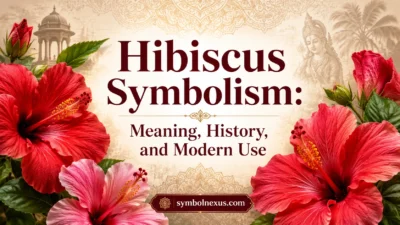

The red hibiscus is a striking flower known for its large, delicate petals and vibrant color. Its dramatic appearance has made it a symbol of love, passion, beauty, confidence, and emotional expression in different cultural and artistic traditions. Whether growing in a tropical garden, appearing in a floral arrangement, or being used as a meaningful gift, the red hibiscus often attracts attention because of its bold and elegant presence.
Red hibiscus symbolism is especially connected with romantic feelings and intense emotions. Its rich color can represent passionate love, desire, admiration, and the courage to express what is in the heart. At the same time, the flower’s delicate appearance and relatively short-lived blooms can symbolize beauty, impermanence, and the importance of appreciating the present moment.
The meaning of a red hibiscus can vary depending on cultural background, personal beliefs, and the context in which the flower appears. Exploring its symbolism reveals why this beautiful tropical flower has become such a meaningful emblem of affection, vitality, and natural beauty.
What Does a Red Hibiscus Symbolize?
A red hibiscus commonly symbolizes love, passion, beauty, confidence, courage, and strong emotions. Its vivid color gives it associations with romance and vitality, while its graceful petals represent elegance and natural attractiveness.
The most common symbolic meanings of red hibiscus include:
- Passionate love: Representing intense romantic feelings and desire.
- Beauty: Celebrating physical attractiveness, elegance, and natural charm.
- Confidence: Expressing boldness, individuality, and self-assurance.
- Courage: Symbolizing the strength to express emotions and pursue meaningful relationships.
- Femininity: Representing grace, softness, and feminine beauty in some cultural contexts.
- Vitality: Reflecting energy, enthusiasm, and a love of life.
- Admiration: Communicating appreciation and affection.
- Impermanence: Reminding us that beautiful moments should be valued because they do not last forever.
These meanings are symbolic interpretations rather than universal definitions. A red hibiscus may carry different significance for different people and communities.
1. Red Hibiscus Symbolism: Love and Romance
One of the strongest associations of the red hibiscus is romantic love. Its deep red color is commonly linked with passion, attraction, and emotional intensity, making the flower a meaningful symbol of romantic affection.
Unlike flowers that primarily suggest gentle friendship or appreciation, the red hibiscus often communicates a more passionate kind of love. Its bold appearance can represent feelings that are difficult to hide or ignore.
In romantic symbolism, a red hibiscus may express:
- Deep affection for a romantic partner.
- Strong attraction and desire.
- Excitement at the beginning of a relationship.
- Commitment to expressing genuine emotions.
- Appreciation for a partner’s beauty and individuality.
Giving someone a red hibiscus can be a thoughtful way to communicate admiration and affection. However, floral meanings depend on the relationship and the intentions behind the gift rather than a fixed symbolic code.
2. Red Hibiscus Symbolism: Passion and Desire
The color red has long been associated with passion, energy, and intense emotions. Because the hibiscus often produces large, vivid red flowers, it naturally lends itself to these symbolic associations.
Red hibiscus symbolism can represent the emotional intensity that makes life exciting. It may suggest romantic desire, enthusiasm, creativity, and the willingness to pursue something meaningful.
This symbolism can extend beyond romantic relationships. A red hibiscus may also represent passion for:
- Creative activities and artistic expression.
- Personal ambitions and meaningful goals.
- New experiences and adventures.
- Hobbies and interests.
- Living with enthusiasm and purpose.
In this sense, the red hibiscus is not only a symbol of romantic desire but also of embracing life with energy and confidence.
3. Red Hibiscus Symbolism: Beauty and Elegance
The hibiscus is admired for its distinctive flower structure, broad petals, and prominent central reproductive column. Its appearance has made it a popular decorative flower in tropical gardens, floral art, textiles, and cultural imagery.
Symbolically, the red hibiscus can represent beauty that is both delicate and powerful. Its soft petals suggest grace, while its vivid color gives it a bold presence.
Its association with beauty may communicate:
- Natural attractiveness.
- Elegance and sophistication.
- Individuality and personal style.
- Appreciation for nature.
- Confidence in one’s appearance.
The flower can also serve as a reminder that beauty does not need to be quiet or understated. Sometimes, it is expressed through color, personality, and confidence.
4. Red Hibiscus Symbolism: Confidence and Courage
A red hibiscus does not blend easily into its surroundings. Its bright color and distinctive shape make it visually noticeable, which is why it can serve as a modern symbol of confidence and individuality.
Its symbolism may encourage people to embrace their identity rather than hide their personality to meet other people’s expectations.
Red hibiscus symbolism can represent:
- Having the courage to be yourself.
- Expressing feelings honestly.
- Standing confidently in your individuality.
- Pursuing ambitions without unnecessary hesitation.
- Celebrating personal strengths.
The flower’s bold appearance can be interpreted as a reminder that confidence and gentleness can exist together.
5. Red Hibiscus Symbolism: Femininity and Grace
In some cultural and artistic settings, hibiscus flowers are associated with femininity, beauty, and grace. Their delicate petals and elegant form make them popular decorative elements in clothing, jewelry, hairstyles, and floral designs.
A red hibiscus may represent feminine strength as well as softness. It can suggest a combination of confidence, emotional warmth, attractiveness, and independence.
This symbolism may be used to celebrate:
- Feminine identity and self-expression.
- Grace and elegance.
- Strength within gentleness.
- Individual beauty.
- Emotional confidence.
These associations are not universal, and flowers should not be understood as having meanings that belong exclusively to one gender.
6. Red Hibiscus Symbolism: Vitality and Joy
Red is frequently associated with energy, warmth, and life. The hibiscus’s vibrant blooms make it a natural symbol of vitality and enthusiasm in modern floral interpretations.
The flower may represent an energetic approach to life, an appreciation of everyday beauty, and the desire to enjoy meaningful experiences.
Red hibiscus symbolism can therefore be connected with:
- Happiness and enthusiasm.
- Physical and creative energy.
- Celebration and excitement.
- Optimism and emotional warmth.
- Appreciation for the natural world.
Its tropical appearance can also evoke warm weather, outdoor celebrations, and the relaxed atmosphere of island environments.
7. Red Hibiscus Symbolism: The Beauty of Impermanence
Many hibiscus flowers bloom for a relatively short period, with individual blooms often lasting only a day, although flowering patterns vary by species and growing conditions.
This short flowering period can provide a powerful metaphor for impermanence. A beautiful moment may not last forever, but it can still be meaningful.
In modern symbolic interpretations, a red hibiscus may remind us to:
- Appreciate the present moment.
- Value relationships while they are meaningful.
- Recognize beauty in ordinary experiences.
- Accept that life constantly changes.
- Find meaning in temporary experiences.
This interpretation gives the red hibiscus a deeper meaning beyond romance and beauty. It can represent the importance of living fully rather than waiting for a perfect future.
8. Red Hibiscus Symbolism in Different Cultures
Hibiscus flowers have cultural importance in various tropical and subtropical regions. Their meanings differ depending on local history, religious traditions, and artistic practices.
Hawaiian and Polynesian Associations
Hibiscus flowers are strongly associated with tropical island imagery, including Hawaii and other Pacific regions. They appear in gardens, clothing, decorative designs, and tourism imagery.
In Hawaii, the yellow hibiscus, Hibiscus brackenridgei, is the official state flower. Hibiscus imagery more broadly is often connected with tropical beauty, hospitality, and the natural environment.
The red hibiscus may be used in modern floral designs to express beauty, affection, and warmth. However, it is important not to assume that every hibiscus color has one fixed traditional meaning throughout Polynesia. Cultural practices differ among islands and communities.
Indian Cultural and Religious Associations
Hibiscus flowers have an important place in some Hindu religious practices. Red hibiscus is particularly associated with the worship of Goddess Kali and is also offered to Lord Ganesha in certain devotional traditions.
In these settings, the flower can carry meanings connected with devotion, reverence, divine energy, and worship.
Its vivid red color may also be associated with power and vitality in religious imagery. Specific practices and interpretations vary by region, temple, and religious community.
Chinese Flower Symbolism
In Chinese floral symbolism, hibiscus is sometimes associated with wealth, fame, and honor, depending on the flower and the cultural context.
The flower’s attractive appearance can also make it a symbol of beauty and appreciation. However, interpretations of hibiscus should not be confused with the meanings of other flowers that have more established roles in Chinese symbolic traditions.
Caribbean and Tropical Cultural Associations
Hibiscus flowers are widely grown and appreciated throughout the Caribbean and other tropical regions. They appear in gardens, decorative arrangements, fabrics, and local visual culture.
In these settings, the flower may evoke warmth, tropical landscapes, natural beauty, and cultural identity. Its symbolic meaning can be personal or artistic rather than part of a single shared tradition.
9. Red Hibiscus Symbolism in Spirituality
In modern spiritual interpretations, the red hibiscus is sometimes associated with life energy, passion, emotional expression, and personal confidence.
Its vivid color may be connected with vitality and the desire to approach life with courage. Some people also interpret the flower as a reminder to balance emotional intensity with kindness and self-awareness.
Spiritual meanings commonly associated with the red hibiscus include:
- Embracing personal power.
- Expressing love openly.
- Recognizing inner beauty.
- Developing emotional confidence.
- Celebrating life’s energy.
- Appreciating the present moment.
These are contemporary symbolic interpretations, not universal religious teachings or scientifically established effects.
10. Red Hibiscus Symbolism and the Root Chakra
In some modern chakra-based interpretations, the color red is associated with the root chakra, also known as Muladhara.
The root chakra is traditionally connected in yoga and related spiritual systems with grounding, security, stability, and a sense of connection to the physical world.
Because of its red petals, the red hibiscus may be used in contemporary symbolic discussions of:
- Grounding and stability.
- Vitality and physical presence.
- Confidence and personal strength.
- Connection with nature.
- Feeling secure and supported.
This is a modern color-based association. The hibiscus itself is not a universally prescribed symbol of the root chakra across all yoga or Hindu traditions.
11. Red Hibiscus Symbolism in Dreams
Dreaming about a red hibiscus can be interpreted in several ways depending on the dream’s atmosphere and the dreamer’s personal experiences.
In modern dream interpretation, the flower may represent romance, attraction, confidence, beauty, or emotional expression. Dreams are subjective, however, and there is no scientifically established universal meaning for a particular flower in a dream.
Dreaming of a Blooming Red Hibiscus
A blooming red hibiscus may represent affection, confidence, happiness, or an appreciation of beauty. It may reflect positive feelings about a relationship or personal achievement.
Dreaming of a Red Hibiscus Gift
Receiving a red hibiscus in a dream may symbolize admiration, romantic interest, or a desire for emotional connection.
Giving someone the flower may reflect your own feelings of affection or appreciation.
Dreaming of a Wilting Red Hibiscus
A wilting flower may represent disappointment, changing feelings, or concern about something meaningful coming to an end.
It could also reflect awareness that a relationship or situation requires attention.
Dreaming of a Red Hibiscus Garden
A garden filled with red hibiscus flowers may symbolize emotional abundance, creativity, beauty, and personal enjoyment.
The dream’s emotional tone is important when considering its possible meaning.
12. Red Hibiscus Symbolism in Love and Relationships
The red hibiscus is especially meaningful in modern romantic symbolism because of its association with passion and attraction.
It may represent a relationship filled with excitement, affection, and emotional expression. Its bright color can also suggest the importance of keeping love alive through appreciation and thoughtful gestures.
In relationships, the red hibiscus may symbolize:
- Romantic attraction.
- Passion and intimacy.
- Admiration for a partner.
- Emotional honesty.
- Confidence in expressing affection.
- The beauty of shared experiences.
A red hibiscus can make a thoughtful romantic gift, particularly when chosen because of its color and personal significance.
13. Red Hibiscus Symbolism in Tattoos
Red hibiscus tattoos are popular choices for people who appreciate tropical flowers and their symbolic associations.
The flower’s dramatic shape and vivid petals make it visually appealing, while its meanings allow people to connect the design with personal experiences.
Common interpretations of red hibiscus tattoos include:
- Love and passion: Celebrating romantic affection and emotional intensity.
- Beauty: Expressing appreciation for natural elegance.
- Confidence: Representing individuality and self-expression.
- Cultural identity: Reflecting a personal connection to a place or heritage.
- Vitality: Celebrating energy and enthusiasm for life.
- Impermanence: Remembering to appreciate meaningful moments.
A red hibiscus tattoo can be designed on its own or combined with leaves, waves, butterflies, birds, or other tropical elements. The final meaning depends on the person’s intention and the cultural context of the design.
14. Red Hibiscus Compared With Other Hibiscus Colors
Hibiscus flowers come in many colors, and modern floral symbolism often assigns different associations to each shade.
| Hibiscus ColorCommon Symbolic Meaning | |
|---|---|
| Red hibiscus | Passion, love, desire, and confidence |
| Pink hibiscus | Tender affection, admiration, and gentleness |
| White hibiscus | Purity, peace, and simplicity |
| Yellow hibiscus | Happiness, friendship, and optimism |
| Orange hibiscus | Enthusiasm, creativity, and warmth |
| Purple hibiscus | Mystery, individuality, and elegance |
These color meanings are common modern interpretations rather than a universal historical system. The symbolism of a flower can change depending on cultural traditions and personal associations.
15. Red Hibiscus as a Gift: What Does It Communicate?
A red hibiscus can be a meaningful gift for someone you admire or care about. Its bold appearance makes it suitable for occasions when you want to express strong affection or celebrate someone’s individuality.
You might choose a red hibiscus for:
- A romantic gesture.
- An anniversary or special celebration.
- A thoughtful expression of admiration.
- A tropical-themed event.
- A celebration of personal achievement.
- A gift for someone who loves flowers and gardening.
When giving a red hibiscus, a short personal message can make the gesture more meaningful. Rather than relying entirely on traditional flower symbolism, explain what the flower represents to you.
16. Red Hibiscus in Art, Literature, and Popular Culture
Hibiscus flowers frequently appear in paintings, photography, clothing, decorative patterns, and tropical-inspired artwork. Their distinctive shape and vivid colors make them visually memorable.
In art, a red hibiscus may be used to communicate romance, beauty, passion, or the energy of a tropical environment.
In literature and visual storytelling, flowers can also function as symbols of a character’s emotions, identity, or surroundings. A red hibiscus may suggest attraction, confidence, or a moment of beauty within a changing story.
The flower’s interpretation depends on how the artist or writer uses it. It does not have one fixed meaning across all creative works.
Conclusion
Red hibiscus symbolism is closely connected with love, passion, beauty, confidence, courage, and vitality. Its vivid red petals make it a powerful image of emotional intensity, while its delicate blooms can remind us of the temporary nature of beauty and the importance of appreciating the present.
Different cultures give hibiscus flowers their own significance. In some Hindu traditions, red hibiscus is offered to deities such as Goddess Kali, while in tropical island cultures the flower is widely appreciated as an emblem of natural beauty and local identity.
Whether you encounter a red hibiscus in a garden, receive it as a gift, see it in a dream, or choose it as a tattoo, its symbolism can represent the courage to express love, celebrate individuality, and enjoy life’s beautiful moments.
Frequently Asked Questions About Red Hibiscus Symbolism
1. What does a red hibiscus symbolize?
A red hibiscus commonly symbolizes love, passion, beauty, confidence, courage, and vitality. Its vivid color makes it a popular modern symbol of romantic feelings and strong emotions.
2. Does a red hibiscus symbolize love?
Yes. In modern floral symbolism, red hibiscus is often associated with romantic love, attraction, desire, and admiration. It can be used as a meaningful expression of affection.
3. What is the spiritual meaning of a red hibiscus?
In contemporary spiritual interpretations, a red hibiscus may represent personal power, vitality, emotional expression, confidence, and passion. Its meaning depends on individual beliefs and cultural context.
4. Is red hibiscus a symbol of passion?
Yes. Its deep red color is commonly associated with passion, desire, excitement, and intense emotions. The flower can represent both romantic passion and enthusiasm for life.
5. What does a red hibiscus mean in Hinduism?
Red hibiscus has religious significance in some Hindu traditions and is offered to Goddess Kali and Lord Ganesha in certain devotional practices. It can represent devotion, reverence, and divine energy.
6. What does a red hibiscus symbolize in a dream?
In modern dream interpretations, a red hibiscus may represent romantic feelings, beauty, admiration, confidence, or emotional expression. The meaning depends on the dream’s details and the dreamer’s personal experiences.
7. What does a red hibiscus tattoo mean?
A red hibiscus tattoo can symbolize passion, love, beauty, confidence, vitality, cultural identity, or appreciation for tropical nature. Its meaning is shaped by the design and the wearer’s personal intentions.
8. Does red hibiscus symbolize femininity?
In some artistic and cultural contexts, hibiscus flowers are associated with feminine beauty, grace, and elegance. A red hibiscus can also represent strength and confidence, showing that softness and boldness can coexist.
9. What does a red hibiscus represent in relationships?
In relationships, red hibiscus symbolism is commonly connected with romantic attraction, affection, passion, admiration, and emotional honesty. It may represent a desire to express love openly.
10. Is red hibiscus a good-luck flower?
Some people associate hibiscus flowers with positive energy and good fortune, but red hibiscus does not have one universally established good-luck meaning. Its symbolism varies across traditions.
11. What does a wilting red hibiscus symbolize?
In modern symbolic interpretations, a wilting red hibiscus may represent fading emotions, disappointment, change, or the temporary nature of beauty. It can also serve as a reminder to appreciate meaningful experiences.
12. What is the difference between red and pink hibiscus symbolism?
Red hibiscus is more commonly associated with passion, desire, and intense love, while pink hibiscus is often connected with tenderness, admiration, and gentle affection. These are modern floral interpretations rather than fixed cultural rules.
13. Is red hibiscus associated with the root chakra?
In some modern chakra-based interpretations, red flowers are associated with the root chakra because of its traditional connection with the color red. The association may suggest grounding, stability, and vitality, but it is not a universal hibiscus-specific teaching.
14. What does a red hibiscus represent in Hawaiian culture?
Hibiscus flowers are strongly associated with Hawaii and tropical island imagery. They are widely used in decoration, gardens, and cultural designs. The yellow hibiscus, rather than the red variety, is Hawaii’s official state flower.
15. Why is the red hibiscus associated with beauty?
The red hibiscus has large, colorful petals and a distinctive shape that make it visually striking. These qualities have helped establish it as a modern symbol of natural beauty, elegance, and individuality.