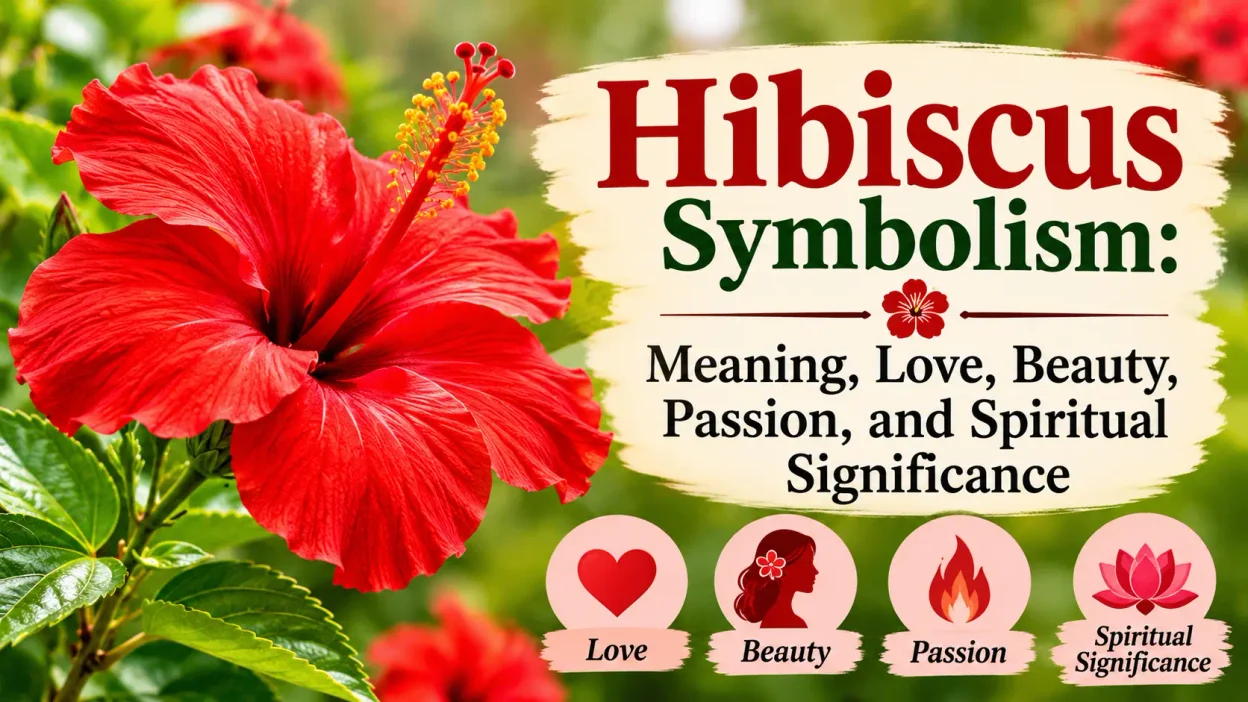
Hibiscus symbolism is closely connected to beauty, love, passion, femininity, confidence, and the fleeting nature of life. With its large, colorful petals and distinctive shape, the hibiscus flower has captured attention across cultures for centuries. It can represent romantic affection, personal strength, hospitality, and the ability to appreciate beauty in the present moment.
Different cultures and traditions associate the hibiscus with different meanings. In some places, it is a symbol of welcome and hospitality; in others, it represents devotion, feminine beauty, or spiritual significance. Its color also influences its symbolism, with red often associated with passion, yellow with happiness, and white with purity.
Whether you encounter a hibiscus in a garden, receive one as a gift, or feel drawn to its appearance, understanding its symbolism can reveal several layers of meaning. This guide explores the spiritual, cultural, emotional, and color-related meanings of the hibiscus flower.
What Does the Hibiscus Symbolize?
The hibiscus commonly symbolizes beauty, love, passion, femininity, confidence, and the temporary nature of life. Its striking appearance makes it a natural representation of attractiveness and self-expression, while its relatively short-lived blooms can remind us to value the present.
Some of its most recognized symbolic meanings include:
- Beauty and attractiveness: Its bright petals and elegant shape represent natural beauty and visual appeal.
- Love and romance: Particularly red and pink hibiscus flowers can symbolize affection, passion, and emotional connection.
- Femininity: In several cultural traditions, the flower is associated with feminine beauty, grace, and elegance.
- Confidence: Its bold colors and noticeable appearance can represent self-assurance and individuality.
- Hospitality: In some tropical cultures, hibiscus flowers are connected with welcoming guests and celebrating community.
- Impermanence: The short life of an individual bloom can serve as a reminder to appreciate beautiful moments before they pass.
- Joy and celebration: Its vibrant appearance can represent happiness, warmth, and an appreciation of life.
The meaning of a hibiscus flower depends on its color, cultural setting, and the personal associations someone has with it.
Spiritual Meaning of Hibiscus
Spiritually, the hibiscus can represent beauty, personal growth, emotional openness, and appreciation for life’s changing experiences. Its delicate petals and vivid colors offer a useful metaphor for the balance between strength and vulnerability.
1. Beauty and Self-Acceptance
The hibiscus can symbolize recognizing beauty in yourself and the world around you. Its striking appearance reminds us that beauty does not always need to be understated or conventional.
In a personal or spiritual interpretation, the flower may encourage self-acceptance, confidence, and appreciation of individual qualities.
2. Personal Growth and Renewal
A hibiscus plant produces fresh blooms as older flowers fade. This natural cycle can represent renewal, transformation, and the possibility of beginning again.
Its symbolism may encourage people to move beyond difficult experiences and remain open to new opportunities.
3. Emotional Openness
The flower’s wide-open petals can be interpreted as a symbol of openness, warmth, and emotional expression. It may represent the willingness to share affection, communicate honestly, and build meaningful relationships.
4. Living in the Present
Many hibiscus flowers bloom for a relatively short period. Their brief beauty can symbolize the importance of appreciating the present rather than waiting for a perfect moment.
This interpretation encourages mindfulness, gratitude, and awareness of life’s temporary experiences.
5. Confidence and Individuality
The hibiscus is visually distinctive, making it a natural symbol of standing out and expressing your personality. Spiritually, it may represent the courage to be authentic rather than hiding your individuality to meet other people’s expectations.
These spiritual meanings are interpretive rather than universal beliefs. Their significance varies according to personal experience and cultural tradition.
Hibiscus Symbolism in Different Cultures
The hibiscus has cultural importance in several regions, particularly in tropical and subtropical parts of the world. Its symbolism is not identical everywhere, and its meaning often depends on local customs and traditions.
Hibiscus Symbolism in Hawaii
The hibiscus is strongly associated with Hawaii and its tropical landscape. The yellow hibiscus, Hibiscus brackenridgei, is Hawaii’s state flower.
Hibiscus imagery is often connected with:
- Tropical beauty and natural abundance
- Hospitality and welcoming visitors
- Cultural identity and island life
- Grace, warmth, and celebration
Hibiscus flowers are also used in leis and decorative arrangements, although the meanings of particular flowers and arrangements depend on the occasion and local custom.
Hibiscus Symbolism in China
In Chinese cultural contexts, hibiscus imagery can be associated with beauty, prosperity, and honor. The flower’s attractive appearance makes it a fitting decorative motif for themes of elegance and good fortune.
Its symbolic meaning can vary depending on the artwork, literary context, and surrounding imagery.
Hibiscus Symbolism in India
In India, hibiscus flowers have religious and cultural significance. The red hibiscus is particularly associated with Goddess Kali and is also offered to Lord Ganesha in some Hindu traditions.
In devotional settings, the flower may represent:
- Devotion and reverence
- Divine energy and power
- Offering and worship
- Sacred beauty
These associations belong to particular religious traditions and practices rather than representing one universal meaning of hibiscus.
Hibiscus Symbolism in Japan
In Japan, hibiscus flowers can be associated with summer, tropical landscapes, and the beauty of nature. Some varieties are connected with traditional gardens and seasonal decoration.
The flower’s broader symbolism can include beauty and the passing of time, although its specific meaning depends on the variety and cultural context.
Hibiscus Symbolism in the Caribbean
Across parts of the Caribbean, hibiscus flowers are familiar features of gardens, landscapes, and decorative traditions. They can evoke tropical identity, warmth, hospitality, and the beauty of island environments.
Their vibrant appearance also makes them popular in celebrations, clothing designs, and floral arrangements.
Hibiscus Flower Color Symbolism
Hibiscus flowers grow in a wide range of colors, and each color can suggest a different emotional or symbolic meaning. These interpretations are common symbolic associations rather than fixed meanings shared by every culture.
| Hibiscus Color | Symbolic Meaning |
|---|---|
| Red | Passion, romance, desire, and courage |
| Pink | Affection, tenderness, femininity, and admiration |
| Yellow | Happiness, friendship, optimism, and warmth |
| White | Purity, peace, innocence, and sincerity |
| Orange | Enthusiasm, creativity, energy, and confidence |
| Purple | Mystery, elegance, imagination, and spiritual reflection |
| Blue | Calmness, tranquility, and individuality |
Red Hibiscus Symbolism
Red hibiscus flowers symbolize passion, romantic love, desire, and emotional intensity. Their bold appearance makes them especially suitable for expressing strong feelings and admiration.
A red hibiscus may represent:
- Romantic attraction
- Deep affection
- Confidence and courage
- Emotional intensity
- The excitement of love
In some Hindu devotional traditions, red hibiscus flowers also have religious significance, particularly in offerings associated with Goddess Kali.
Pink Hibiscus Symbolism
Pink hibiscus flowers are associated with tenderness, affection, compassion, and feminine beauty. Their softer color gives them a gentle and welcoming appearance.
They may symbolize:
- Romantic affection
- Kindness and understanding
- Appreciation and admiration
- Emotional warmth
- Grace and elegance
A pink hibiscus can be a thoughtful symbol of appreciation for someone who brings kindness and positivity into your life.
Yellow Hibiscus Symbolism
Yellow hibiscus flowers represent happiness, friendship, optimism, and positive energy. Their bright color naturally suggests sunlight, warmth, and cheerful experiences.
They can symbolize:
- Joy and celebration
- Friendship and loyalty
- Hope and optimism
- New opportunities
- Appreciation for life
Yellow hibiscus flowers are particularly meaningful in tropical settings where they are associated with warmth and natural beauty.
White Hibiscus Symbolism
White hibiscus flowers symbolize purity, peace, innocence, and sincerity. Their simple appearance creates an impression of calmness and elegance.
They may represent:
- Pure intentions
- Peaceful relationships
- Spiritual reflection
- Honesty and sincerity
- New beginnings
White hibiscus flowers can also be used in floral arrangements to communicate respect, appreciation, and peaceful feelings.
Orange Hibiscus Symbolism
Orange hibiscus flowers symbolize enthusiasm, creativity, confidence, and excitement. Their energetic color suggests movement, ambition, and a willingness to embrace new experiences.
They may represent:
- Personal motivation
- Creative expression
- Courage and confidence
- Excitement about the future
- Positive transformation
An orange hibiscus can be interpreted as a reminder to approach life with energy and enthusiasm.
Purple Hibiscus Symbolism
Purple hibiscus flowers are often associated with mystery, elegance, imagination, and individuality. Purple has long been connected with royalty and artistic expression in various cultural traditions.
Symbolically, a purple hibiscus may represent:
- Personal uniqueness
- Creative inspiration
- Spiritual curiosity
- Dignity and elegance
- Inner reflection
Its meaning can be especially powerful when used to represent someone with an imaginative or distinctive personality.
Hibiscus Symbolism in Love and Relationships
The hibiscus is a popular symbol of romantic attraction, affection, and emotional connection. Its colorful appearance makes it a natural representation of love and admiration.
Different colors can communicate different feelings:
- Red hibiscus: Passion, desire, and romantic intensity.
- Pink hibiscus: Tenderness, affection, and admiration.
- White hibiscus: Sincerity, peaceful love, and pure intentions.
- Yellow hibiscus: Friendship, happiness, and cheerful companionship.
Beyond romance, the hibiscus can also symbolize appreciating the people who make life more beautiful. It may represent emotional openness, kindness, and the importance of expressing affection.
Hibiscus Symbolism in Dreams
Dreaming about hibiscus flowers can have different interpretations depending on the flower’s appearance, color, condition, and the emotions experienced during the dream.
Dream symbolism is subjective and should not be treated as a prediction or a guaranteed message.
Dreaming of a Blooming Hibiscus
A blooming hibiscus may represent happiness, confidence, emotional development, or appreciation of beauty. It can reflect a positive period in which you feel more comfortable expressing yourself.
Dreaming of a Red Hibiscus
A red hibiscus may symbolize romantic feelings, attraction, passion, or strong emotions. It could reflect your thoughts about a relationship or your desire for deeper emotional connection.
Dreaming of a White Hibiscus
A white hibiscus may represent peace, sincerity, forgiveness, or a desire for emotional clarity. It can also reflect the wish to create a calmer environment.
Dreaming of a Withered Hibiscus
A fading or withered hibiscus may symbolize disappointment, temporary beauty, changing relationships, or the end of a particular phase.
It may encourage reflection on what needs attention or what you are ready to release.
Dreaming of Receiving a Hibiscus
Receiving a hibiscus in a dream may represent admiration, affection, appreciation, or a desire to feel valued. The meaning can depend on who gives you the flower and how you feel about the experience.
Dreaming of Giving Someone a Hibiscus
Giving someone a hibiscus may reflect your wish to express love, gratitude, respect, or emotional support. It can also symbolize an effort to strengthen a relationship.
Hibiscus Symbolism in Different Situations
The meaning of hibiscus can also change depending on how and where you encounter the flower.
| Situation | Possible Symbolic Meaning |
|---|---|
| Hibiscus in a garden | Beauty, abundance, and natural happiness |
| Hibiscus as a gift | Affection, admiration, and appreciation |
| Hibiscus in a wedding arrangement | Romance, celebration, and beauty |
| Blooming hibiscus | Growth, vitality, and new experiences |
| Withered hibiscus | Impermanence, change, and reflection |
| Hibiscus in artwork | Tropical identity, elegance, and self-expression |
| Hibiscus worn as decoration | Beauty, confidence, and personal style |
These interpretations are flexible and should be understood within their cultural or personal context.
What Does a Hibiscus Flower Mean as a Gift?
Giving someone a hibiscus flower can communicate admiration, affection, appreciation, and a celebration of beauty. The meaning may depend on the flower’s color and the relationship between the giver and receiver.
A red hibiscus may express passion or romantic interest, while a pink one can communicate gentle affection. Yellow hibiscus flowers are suitable for expressing friendship and happiness, and white varieties can suggest sincerity and peaceful intentions.
Because the flower has different cultural associations, it is helpful to consider the recipient’s background and the occasion before assigning a particular meaning.
Hibiscus Symbolism and Its Connection to Femininity
In several cultural and artistic traditions, hibiscus flowers are associated with feminine beauty, grace, and elegance. Their soft petals and vibrant colors make them common decorative symbols in fashion, art, and floral arrangements.
The flower can also represent confidence and self-expression. Rather than suggesting that beauty is limited to appearance, a modern interpretation of hibiscus symbolism can celebrate individuality, creativity, and the strength to express oneself.
This association is cultural and artistic, not a rule about gender or identity.
Is Hibiscus a Symbol of Good Luck?
Hibiscus is sometimes interpreted as a symbol of good fortune, happiness, prosperity, and positive energy. Its bright colors and association with tropical abundance make it a popular image in decorative and celebratory settings.
However, hibiscus does not have one universal meaning related to luck. Some traditions give particular varieties religious significance, while others associate the flower more generally with beauty, hospitality, and celebration.
Its connection with good luck is best understood as a cultural or personal interpretation rather than a guaranteed promise of future events.
Hibiscus Symbolism vs. Hibiscus Flower Meaning
Hibiscus symbolism and hibiscus flower meaning are closely related, but they are not exactly the same.
Hibiscus symbolism refers to the deeper ideas and cultural associations connected with the flower, such as passion, beauty, femininity, hospitality, and spiritual devotion.
Hibiscus flower meaning often refers to the message communicated through a particular flower, especially when it is given as a gift or used in a floral arrangement.
For example, a red hibiscus may symbolize passion in a broader sense, while giving someone a red hibiscus may communicate romantic interest or admiration.
Frequently Asked Questions About Hibiscus Symbolism
1. What does the hibiscus flower symbolize?
The hibiscus commonly symbolizes beauty, love, passion, femininity, confidence, hospitality, and the temporary nature of life. Its meaning can vary depending on its color and cultural context.
2. What is the spiritual meaning of hibiscus?
Spiritually, hibiscus can represent personal growth, emotional openness, self-acceptance, confidence, and appreciation of the present moment. These meanings are interpretive and may differ among individuals and traditions.
3. What does a red hibiscus symbolize?
A red hibiscus commonly symbolizes passion, romantic love, desire, courage, and strong emotions. It can also have religious significance in certain Hindu devotional traditions.
4. What does a pink hibiscus symbolize?
Pink hibiscus flowers are associated with tenderness, affection, compassion, admiration, and feminine beauty. They can represent gentle love and emotional warmth.
5. What does a yellow hibiscus symbolize?
Yellow hibiscus flowers symbolize happiness, friendship, optimism, warmth, and positive energy. Their bright appearance makes them associated with cheerful experiences and celebration.
6. What does a white hibiscus symbolize?
A white hibiscus commonly represents purity, peace, innocence, sincerity, and spiritual reflection. It can also suggest peaceful relationships and new beginnings.
7. What does hibiscus symbolize in Hawaiian culture?
Hibiscus is strongly associated with Hawaii’s tropical beauty, natural landscape, and cultural identity. The yellow hibiscus is Hawaii’s state flower and is an important part of the state’s floral identity.
8. Is hibiscus a symbol of love?
Yes. Hibiscus can symbolize romantic attraction, passion, affection, and admiration. Red and pink varieties are particularly associated with romantic and emotional meanings.
9. What does it mean to dream about hibiscus flowers?
Dreaming about hibiscus may represent beauty, confidence, affection, emotional growth, or changing experiences. The interpretation depends on the flower’s condition, color, and the dreamer’s personal feelings.
10. Is hibiscus associated with femininity?
In several cultural and artistic traditions, hibiscus represents feminine beauty, grace, elegance, and self-expression. Its meaning is not universal and can vary between communities.
11. What does a withered hibiscus symbolize?
A withered hibiscus may represent impermanence, disappointment, changing relationships, or the end of a particular stage of life. It can also encourage reflection and personal renewal.
12. Is hibiscus considered a spiritual flower?
Hibiscus has religious and cultural significance in some traditions, particularly in Hindu worship. More broadly, people may interpret it as a symbol of beauty, devotion, renewal, and emotional openness.
Conclusion: The Deeper Meaning of Hibiscus Symbolism
Hibiscus symbolism brings together beauty, passion, love, confidence, femininity, hospitality, and the changing nature of life. Its vibrant petals make it a powerful representation of self-expression, while its brief blooms remind us to appreciate meaningful experiences as they happen.
The flower also carries different cultural and religious associations. In Hawaii, it is closely connected with tropical identity and natural beauty, while in certain Hindu traditions, red hibiscus flowers are used in devotional offerings. Its colors add further meaning, from the passion of red and the tenderness of pink to the happiness of yellow and the peacefulness of white.
Ultimately, the hibiscus reminds us that beauty can be bold, love can take many forms, and even temporary moments can leave a lasting impression. Whether viewed as a cultural symbol, a spiritual metaphor, or simply a beautiful flower, the hibiscus offers a meaningful reminder to embrace individuality, express affection, and appreciate the beauty of life.