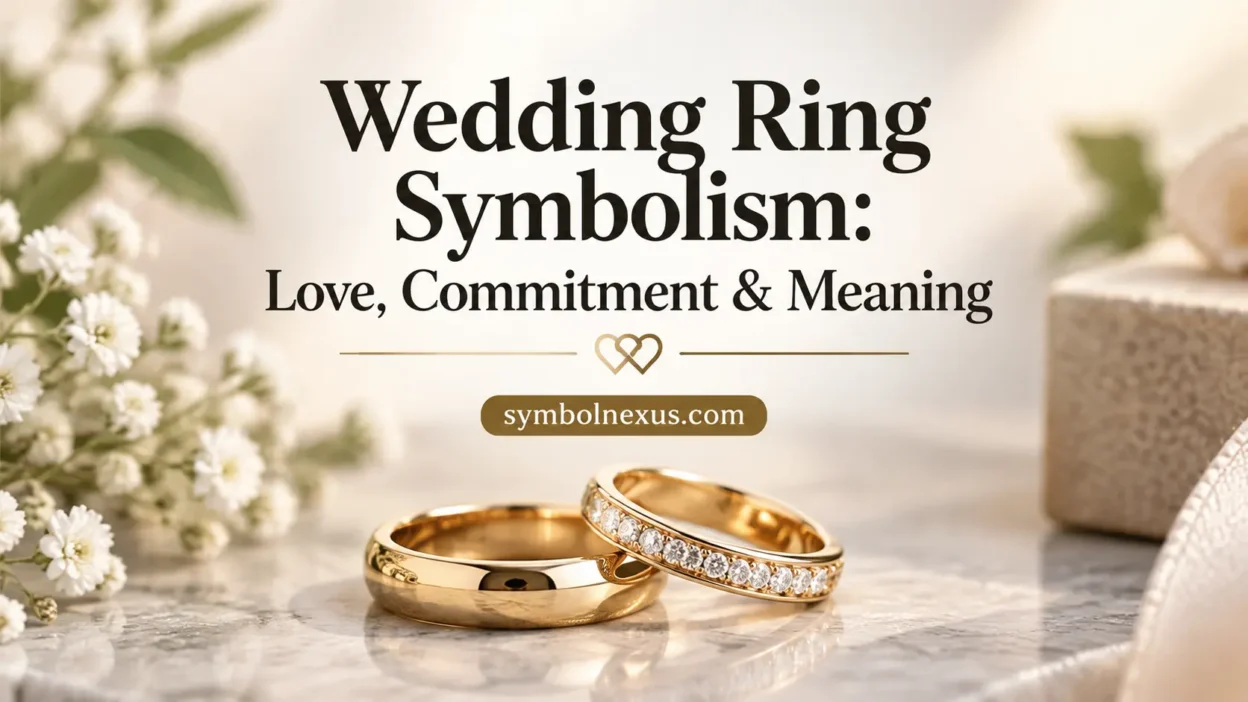
A wedding ring is one of the most recognizable symbols of marriage, commitment, and partnership around the world. The symbolism of wedding rings comes from centuries of cultural traditions that connect the circular shape, the act of exchanging rings, and the placement on the finger with ideas of unity, loyalty, and lasting connection. In modern American culture, wedding rings are often viewed as personal reminders of love, promises, and shared life experiences.
Although many people associate wedding rings with romance, their meaning is broader than a simple expression of affection. A ring can represent trust between partners, a public statement of marital status, family traditions, religious beliefs, and personal identity. Some couples choose traditional bands, while others select unique designs that reflect their individual stories.
The meaning of wedding rings has changed over time. Ancient societies used rings for different purposes, including agreements, ownership symbols, and social commitments. Today, most people understand wedding rings as voluntary symbols of partnership rather than signs of possession.
Quick Answer
The symbolism of wedding rings commonly represents love, commitment, unity, and lifelong partnership in modern American culture. Historically, rings have also symbolized agreements, social bonds, and promises between people.
TL;DR
- Wedding rings symbolize love, commitment, and partnership.
- The circular shape represents continuity and connection.
- Ancient cultures used rings for promises and agreements.
- Americans view rings as personal marriage symbols.
- Materials and designs often reflect individual meaning.
What a Wedding Ring Symbolizes Today
In the United States, wedding rings are primarily associated with marriage and commitment. When someone wears a wedding band, many people interpret it as a visible sign that the person has made a lifelong promise to another individual.
The most common meanings include:
- Love between partners
- Faithfulness and loyalty
- Emotional connection
- Shared responsibilities
- Family and personal history
For many couples, the ring is not valuable only because of its material. A simple gold band may carry more emotional importance than an expensive piece of jewelry because of the memories attached to it.
Wedding rings also communicate identity. A person wearing a wedding ring may be expressing their relationship status, connection to a partner, or respect for a shared commitment.
The Circular Shape and Its Symbolic Meaning
One of the strongest reasons wedding rings became meaningful is their circular design. A circle has no visible beginning or ending point, which has often been connected with ideas of continuity and completeness.
People commonly associate the shape with:
| Context | Meaning in the USA | Common Associations | Notes |
|---|---|---|---|
| Marriage | Commitment between partners | Love, loyalty, unity | Most common modern meaning |
| Family tradition | Connection across generations | Heritage, memories | Rings may become heirlooms |
| Personal identity | Relationship status | Partnership, belonging | Often visible in daily life |
| Design choice | Individual expression | Style, personality | Modern rings vary widely |
The circle does not guarantee that a relationship will last forever, but it represents the intention behind marriage vows. It reflects the promise two people make when they choose to build a life together.
Historical Background of Wedding Rings
The tradition of exchanging rings developed gradually across different civilizations. Early rings were not always connected specifically with romantic marriage. They often represented agreements, social relationships, or legal arrangements.
Ancient Egyptians are frequently associated with early ring traditions. They valued circles as symbols of eternity because the shape appeared endless. Some couples exchanged rings made from materials such as braided plants or leather as signs of connection.
In ancient Rome, rings became connected with marriage agreements. Roman wedding rings could represent a formal promise between families or partners. However, the meaning was not identical to modern ideas of romantic love.
Over time, European Christian traditions incorporated rings into marriage ceremonies. The ring became part of the wedding ritual, representing a public promise between spouses.
By the modern era, wedding rings became strongly connected with emotional partnership rather than legal or economic arrangements.
Ancient Traditions That Influenced Wedding Ring Symbolism
Different societies contributed ideas that shaped how people understand wedding rings today.
Ancient Egypt and the Circle of Life
Ancient Egyptian culture viewed circles as meaningful shapes because they represented cycles and continuity. While modern wedding traditions cannot be directly traced entirely to Egypt, the circular form of rings reflects similar human ideas about lasting connections.
Ancient Rome and Marriage Agreements
Roman culture connected rings with marriage contracts and social commitments. A ring could represent a formal bond between individuals and families.
European Religious Traditions
In medieval Europe, wedding ceremonies increasingly included rings as visible signs of marital promises. Religious ceremonies helped strengthen the connection between rings and vows.
Modern Western Influence
Western wedding customs, especially those spread through Europe and North America, shaped today’s popular understanding of wedding rings as symbols of love, devotion, and partnership.
Wedding Ring Symbolism in the United States
In American culture, wedding rings are among the strongest everyday symbols of marriage. They appear in wedding ceremonies, family photographs, anniversary celebrations, and personal traditions.
Many Americans view the ring as:
- A reminder of wedding vows
- A symbol of emotional commitment
- A connection to family history
- A public expression of partnership
Wedding rings are especially important during major life events. Couples often exchange rings during weddings, celebrate them during anniversaries, and pass them down through generations.
At the same time, American views are becoming more diverse. Some married people wear rings daily, while others choose not to because of work requirements, personal preference, or lifestyle choices. The meaning comes from the relationship behind the ring rather than the object alone.
The Emotional and Psychological Meaning of Wedding Rings
Wedding rings often carry emotional value because they represent memories and promises.
A ring may remind someone of:
- Their wedding day
- Their partner’s support
- Important family moments
- Difficult challenges they overcame together
Psychologically, physical objects can become connected with personal experiences. A wedding ring becomes meaningful because the wearer attaches memories and emotions to it.
For some people, touching or seeing their ring during stressful moments provides a reminder of their relationship and shared goals.
The emotional meaning of a wedding ring depends on the person wearing it. The same design may represent different experiences for different couples.
Why Different Metals and Designs Have Different Meanings
The material and design of a wedding ring can influence how people interpret it.
Gold Rings
Gold has traditionally been associated with value, celebration, and durability. Many couples choose gold because it has a long history in jewelry traditions.
Silver Rings
Silver rings often represent simplicity, elegance, and affordability. Some people prefer silver because of its appearance or personal style.
Platinum Rings
Platinum is valued for strength and durability. Some couples connect it with long-lasting commitment.
Custom Designs
Modern couples increasingly choose personalized rings with unique shapes, engravings, gemstones, or unusual materials. These designs often represent individual stories rather than following traditional expectations.
Religious and Spiritual Interpretations of Wedding Rings
Wedding rings hold special meaning in many religious traditions, although interpretations vary.
In Christianity, wedding rings are commonly used during marriage ceremonies as symbols of commitment and vows. Many couples view the exchange of rings as part of a sacred promise.
In Jewish traditions, the wedding ring plays an important role in the marriage ceremony. The ring given during the ceremony represents the marital agreement.
Other cultures and religions may have different marriage customs, including necklaces, bracelets, or other symbolic objects. The meaning of a wedding symbol depends on the community and tradition behind it.
Wedding Rings as Family Heirlooms and Legacy Symbols
A wedding ring often becomes more than a personal item. Over time, it may become a family object passed between generations.
A grandmother’s ring, a parent’s wedding band, or a redesigned family jewel can represent:
- Family history
- Memories of previous generations
- Continuing traditions
- Emotional connections
In American families, inherited wedding rings are often valued because of the stories attached to them rather than their financial worth.
A ring passed down through generations can connect present relationships with earlier family experiences.
Modern Wedding Ring Trends and Changing Meanings
Wedding ring traditions continue to evolve. Modern couples often choose rings that reflect their personalities, values, and lifestyles.
Current trends include:
- Minimalist bands
- Alternative gemstones
- Sustainable materials
- Custom engravings
- Matching but personalized designs
Some couples choose unconventional rings because they want a symbol that feels unique to their relationship.
The meaning of the ring has shifted from following one universal style to creating a personal representation of commitment.
Wedding Rings in Tattoos, Fashion, and Popular Culture
Wedding ring symbolism has expanded beyond traditional jewelry. Some couples choose wedding ring tattoos as permanent alternatives to physical bands.
These tattoos may symbolize:
- Permanent commitment
- Simplicity
- Practical lifestyle choices
- Personal expression
Wedding rings also appear frequently in movies, television, and photography. Popular culture often uses rings as visual signs of romance, marriage, and relationship milestones.
However, entertainment portrayals may simplify relationships by focusing on the symbol rather than the responsibilities behind marriage.
Common Misunderstandings About Wedding Ring Symbolism
Although wedding rings are widely recognized as symbols of marriage, their meaning is sometimes misunderstood. A ring can represent commitment, but the object itself does not determine the strength or quality of a relationship.
One common misconception is that every married person must wear a ring. In reality, some people cannot wear rings because of workplace safety rules, medical reasons, personal preference, or cultural choices. The absence of a ring does not automatically indicate a lack of commitment.
Another misunderstanding involves the idea that expensive rings represent stronger relationships. While some couples choose valuable jewelry, many people view the emotional meaning behind the ring as more important than its price.
Modern discussions around wedding rings also recognize that marriage traditions continue to change. Couples today often create their own customs instead of following older expectations.
Cross-Cultural Meanings of Wedding Rings Around the World
Wedding ring traditions differ across cultures, but many share similar themes of connection, agreement, and partnership.
In many Western countries, including the United States, couples commonly exchange rings during wedding ceremonies. The ring is usually worn on the left hand, although traditions vary.
In some European countries, wedding rings are traditionally worn on the right hand. This difference does not change the meaning of commitment; it simply reflects regional customs.
In some cultures, marriage symbols involve more than rings. Jewelry, clothing, ceremonies, and family rituals may all represent the relationship between spouses.
| Culture or Tradition | Wedding Symbol Meaning | Common Practice |
|---|---|---|
| United States | Love and marital commitment | Ring exchange during weddings |
| Ancient Rome | Marriage agreement and social bond | Rings connected with formal promises |
| Jewish tradition | Marriage contract and commitment | Ring used during ceremony |
| Some European cultures | Partnership and unity | Right-hand ring traditions |
These differences show that wedding ring symbolism is shaped by history and culture rather than having only one universal interpretation.
The Role of Wedding Rings in American Weddings and Holidays
Wedding rings play an important role in many American celebrations. They are central during wedding ceremonies, anniversary events, and family gatherings.
During weddings, the exchange of rings often represents the moment when two people publicly recognize their commitment. Photographers frequently highlight rings because they capture a small object connected to a major life event.
Wedding anniversaries also give rings continued meaning. Couples may wear their original bands, exchange upgraded rings, or add new jewelry to mark milestones.
Some holidays and celebrations connected with relationships, such as Valentine’s Day and anniversary occasions, often feature wedding rings in advertisements, gifts, and romantic imagery.
The ring has become part of American visual culture because it quickly communicates ideas of partnership and devotion.
Psychological Meaning of Wearing a Wedding Ring
A wedding ring can influence how people think about their relationship and how others respond to them.
For many married individuals, wearing a ring creates a daily reminder of a personal promise. The physical presence of the ring can reinforce feelings of connection and responsibility.
Socially, a wedding ring also communicates information without words. In many American settings, people recognize it as a sign that someone is married or committed.
However, psychological meaning varies from person to person. Some people feel strongly connected to wearing their ring, while others see it mainly as a traditional accessory.
The emotional importance comes from the personal relationship attached to the object.
Wedding Rings, Identity, and Personal Expression
Modern wedding rings are increasingly connected with personal identity. Couples are not limited to traditional gold bands and may select designs that represent their personalities.
Some examples include:
- Engraved messages
- Birthstones
- Family gemstones
- Handmade designs
- Nontraditional materials
For some people, a wedding ring represents not only marriage but also individuality. The design may tell a story about the couple’s experiences, interests, or values.
This shift reflects a broader change in American culture, where people often adapt traditions to fit their own lives.
Controversies and Changing Views About Wedding Rings
Wedding rings have mostly positive associations, but they can also create debates about tradition, expectations, and social pressure.
One discussion involves the cost of engagement rings and wedding jewelry. Some people believe expensive rings represent seriousness, while others argue that commitment should not be measured by money.
Another debate involves social expectations. In some communities, people may judge someone who does not wear a wedding ring, even though personal reasons can vary.
There are also conversations about whether traditional wedding symbols reflect older ideas about marriage roles. Many modern couples reinterpret rings as equal symbols of partnership rather than symbols connected to outdated expectations.
Understanding these differences helps separate the historical meaning of wedding rings from assumptions people may attach to them.
How Wedding Ring Symbolism Has Evolved Over Time
The meaning of wedding rings has changed significantly. Early rings could represent agreements, social connections, or economic arrangements. Over time, they became increasingly connected with romantic love and personal commitment.
In earlier periods, marriage often involved families, property, and social responsibilities. The ring reflected those relationships.
Modern American culture places greater emphasis on emotional connection and individual choice. Today, a wedding ring usually represents two people choosing to build a life together.
The object has remained the same, but the meaning attached to it has evolved with society.
Why People Still Value Wedding Rings Today
Despite changing traditions, wedding rings remain popular because they combine personal meaning with visible symbolism.
People value them because they can represent:
- A shared promise
- A meaningful memory
- A connection between partners
- A family tradition
- A personal milestone
The popularity of wedding rings does not come only from tradition. It also comes from their ability to hold emotional stories in a small physical object.
For many couples, the ring becomes a daily reminder of a relationship they consider important.
Frequently Asked Questions About Wedding Ring Symbolism
What does a wedding ring symbolize?
A wedding ring commonly symbolizes love, commitment, unity, and partnership. In modern American culture, it represents a couple’s decision to share their lives and recognize their marriage publicly.
Why are wedding rings circular?
Wedding rings are circular because the shape has traditionally been connected with continuity and ongoing connection. Many cultures viewed circles as symbols of cycles, unity, and lasting relationships.
What does a wedding ring symbolize in American culture?
In the United States, wedding rings usually symbolize marriage, loyalty, and emotional commitment. They are also connected with family traditions, anniversaries, and personal memories.
Do wedding rings have religious meanings?
Yes, wedding rings can have religious meanings in many traditions. For example, some Christian and Jewish ceremonies use rings as symbols of marital promises, although practices differ between communities.
What does a wedding ring tattoo symbolize?
A wedding ring tattoo often symbolizes permanent commitment, personal expression, or a practical alternative to wearing a physical ring. Couples may choose tattoos because they prefer a lasting mark rather than traditional jewelry.
Does the value of a wedding ring affect its meaning?
The price of a wedding ring does not determine its emotional meaning. Many people value the memories, promises, and personal story connected to the ring more than its financial cost.
Conclusion
Wedding rings remain one of the clearest symbols of partnership and commitment in modern society. The symbolism of wedding rings comes from a combination of historical traditions, cultural practices, and personal emotions that have developed over generations.
Although the meaning of rings has changed from ancient agreements to modern expressions of love, the central idea remains connected to human relationships. A wedding ring is not meaningful because of its material alone; it becomes meaningful because of the promise and memories attached to it.
In American culture today, wedding rings continue to represent personal choices, shared experiences, and the ongoing connection between two people. Their meaning comes from the relationship they represent rather than the object itself.