
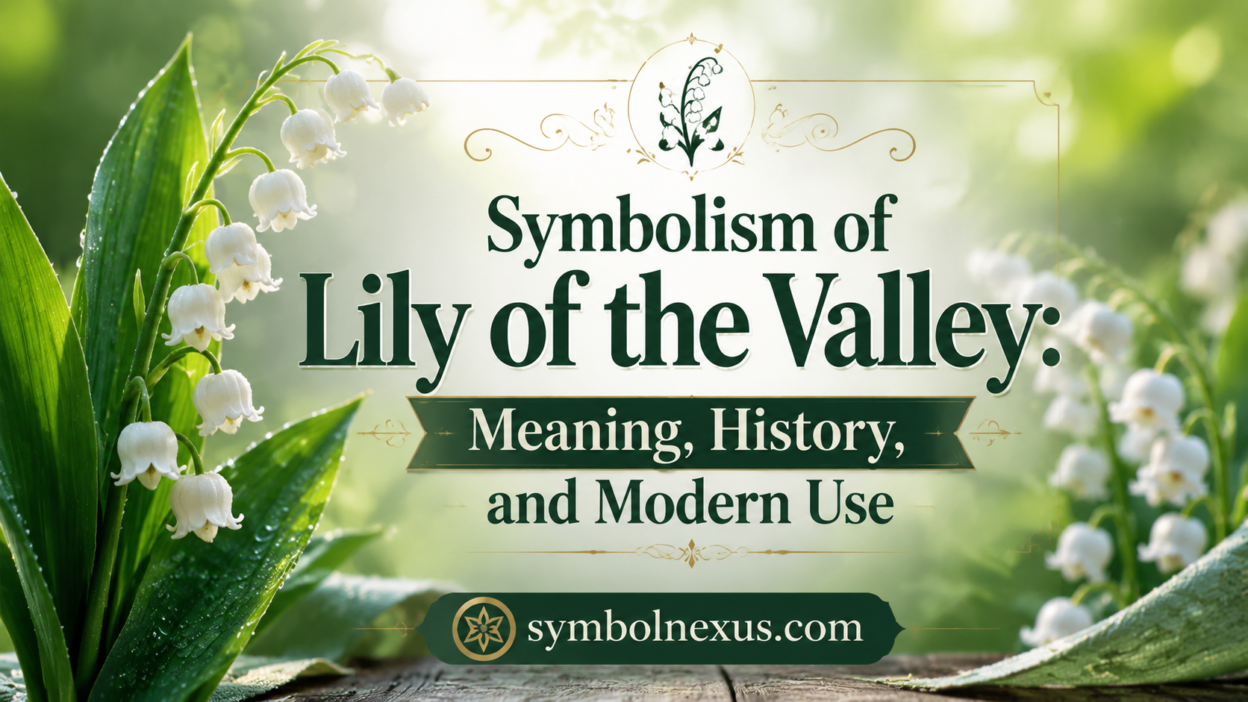
The symbolism of lily of the valley is closely connected with purity, renewal, humility, and the quiet beauty of new beginnings. This small flowering plant, known for its white bell-shaped blossoms and sweet fragrance, has appeared in gardens, wedding traditions, religious art, and personal expressions of remembrance for generations.
Although lily of the valley looks delicate, its meaning comes from a long history of cultural associations. People have viewed the flower as a sign of hope after difficult periods, making it especially meaningful in celebrations of spring, love, and personal growth.
In the United States, lily of the valley is often appreciated for its elegant appearance and emotional associations rather than for one single fixed meaning. Its symbolism changes depending on the situation: it may represent a wedding promise, a memory of someone loved, or a simple appreciation for natural beauty.
Quick Answer
Symbolism of lily of the valley commonly represents purity, happiness, humility, and fresh beginnings in modern American culture, especially in weddings, gardens, and personal gifts. Historically, the flower has also been linked with religious traditions, spring renewal, and the return of hope after hardship.
TL;DR
- Lily of the valley symbolizes purity and renewal.
- The flower has roots in European folklore.
- Americans often associate it with weddings and spring.
- White blossoms represent innocence and simplicity.
- It appears in gifts, gardens, and remembrance traditions.
- Modern meanings focus on gentle beauty and optimism.
What Lily of the Valley Looks Like and Why It Became Symbolic
Lily of the valley is a small perennial plant with curved stems carrying clusters of tiny white, bell-shaped flowers. It grows naturally in shaded woodland areas and is also cultivated in gardens because of its attractive appearance and sweet scent.
The flower’s physical characteristics helped shape its symbolism. Its white color often connects it with cleanliness and innocence, while its ability to bloom in cooler spring conditions helped people associate it with renewal and the return of brighter days.
Unlike large, dramatic flowers such as roses or sunflowers, lily of the valley communicates a quieter message. Its symbolism often reflects modest beauty rather than attention-seeking displays.
What It Commonly Means in the United States
In modern American culture, lily of the valley is most often associated with purity, happiness, and new beginnings. Many people recognize it as a flower connected with weddings, spring celebrations, and sentimental gifts.
Its gentle appearance makes it popular for occasions where people want to express affection without overwhelming emotion. A bouquet containing lily of the valley can communicate appreciation, care, or a wish for good fortune.
Common American interpretations include:
| Context | Meaning in the USA | Common Associations | Notes |
|---|---|---|---|
| Weddings | Purity and new beginnings | Marriage, commitment, love | Often used in bridal arrangements |
| Gardens | Peaceful beauty | Spring, nature, renewal | Valued for fragrance |
| Gifts | Care and affection | Friendship, appreciation | Often chosen for meaningful occasions |
| Remembrance | Gentle memories | Loved ones, reflection | Used in some memorial settings |
Ancient Roots and Early Symbolism
Lily of the valley developed many of its traditional meanings in Europe, where people connected the flower with springtime and renewal. Because it appeared after the colder months, its blooming represented the return of life and growth.
European folklore often connected the plant with happiness and good fortune. In some traditions, people believed the flower brought blessings to homes and gardens.
The flower also became associated with humility because it grows close to the ground and does not have the bold appearance of larger ornamental flowers. This connection between modest appearance and inner value influenced later symbolic interpretations.
Religious Symbolism and Christian Traditions
Lily of the valley has a place in Christian symbolism, especially in European traditions. Some legends connect the flower with tears of the Virgin Mary, suggesting that white blossoms appeared where her tears fell.
Because of these associations, the flower became linked with themes such as innocence, compassion, and spiritual devotion.
However, interpretations differ among Christian communities. The flower does not have a single official meaning across all denominations, but its use in religious art and traditions contributed to its connection with purity and grace.
Why Lily of the Valley Appears in Weddings
Lily of the valley has become a popular wedding flower because many people associate it with love, commitment, and a hopeful future.
Its small white flowers fit well with traditional bridal aesthetics. Designers often use it in bouquets, centerpieces, and decorative arrangements when couples want an elegant and understated look.
The flower’s symbolism also matches common wedding themes:
- beginning a new chapter
- building a life together
- expressing sincerity
- celebrating lasting affection
Its association with royalty has also increased its popularity in wedding culture. When famous public figures include the flower in ceremonies, public interest often grows.
The Meaning of Lily of the Valley in American Gardens
For many Americans, lily of the valley represents peaceful natural beauty. Gardeners often plant it in shaded areas where few flowering plants grow easily.
A garden containing lily of the valley may symbolize patience, care, and appreciation for small moments. Because the plant returns each year, some people also connect it with continuity and lasting memories.
However, gardeners should remember that the plant can spread quickly and is toxic if eaten. Its beauty does not remove the need for careful handling, especially around children and pets.
Emotional and Psychological Meaning of the Flower
Flowers often communicate emotions without words, and lily of the valley has a particularly gentle emotional language.
People may associate it with:
- comfort during change
- peaceful memories
- quiet happiness
- emotional renewal
- appreciation of simple beauty
Unlike flowers associated with dramatic passion, lily of the valley often represents calm and sincere emotions. It suggests affection that feels thoughtful rather than overwhelming.
Lily of the Valley in Mourning and Remembrance
Although lily of the valley is commonly viewed as a joyful flower, it can also appear in mourning traditions. Its connection with remembrance comes from its gentle appearance and associations with purity and peace.
Some people choose the flower when honoring someone who has passed because it represents treasured memories and the hope of renewal.
In memorial settings, its meaning depends heavily on personal and cultural interpretation. For some, it represents farewell; for others, it represents the continuation of love and memory.
Color Symbolism of Lily of the Valley
The flower’s color strongly influences its symbolic meaning. Traditional lily of the valley flowers are white, and white flowers commonly represent innocence, clarity, and simplicity.
| Color | Symbolic Meaning | Common Interpretation |
| White | Purity and peace | Most traditional meaning |
| Green foliage | Growth and renewal | Connection with nature |
| Soft floral tones in arrangements | Gentleness | Modern decorative symbolism |
Because the flower naturally has limited color variation, its meaning comes more from its form and cultural history than from different shades.
Lily of the Valley in Fashion, Jewelry, and Design
Modern designers use lily of the valley imagery in clothing, jewelry, home decor, and artwork because of its delicate appearance.
A lily of the valley design can communicate:
- elegance without excess
- appreciation for nature
- feminine style
- personal memories
Jewelry featuring the flower is sometimes chosen as a meaningful gift because the symbol feels personal and subtle.
In interior design, floral patterns featuring lily of the valley can create a sense of freshness and traditional charm.
Lily of the Valley Tattoos and Personal Expression
Lily of the valley tattoos often represent personal growth, innocence, remembrance, or a meaningful life transition.
People may choose this flower tattoo because it carries emotional meaning while remaining visually delicate. It can represent overcoming challenges, honoring someone important, or celebrating a new stage of life.
The meaning of a tattoo ultimately depends on the person wearing it. Modern tattoo culture allows traditional symbols to become deeply personal.
Cultural Differences in Lily of the Valley Symbolism
Although many cultures connect lily of the valley with positive meanings, interpretations are not identical worldwide.
In parts of Europe, the flower has strong connections with spring celebrations and good luck traditions. In France, lily of the valley is associated with May Day, when people give the flower as a gesture of happiness and friendship.
In other places, the flower may carry religious or artistic meanings influenced by local traditions.
These differences show that symbols develop through human experiences rather than having one universal definition.
Common Misunderstandings About the Symbol
One common misunderstanding is that lily of the valley always represents purity. While purity is one important interpretation, the flower also represents happiness, renewal, remembrance, and affection.
Another misunderstanding is that every cultural tradition views the flower in the same way. Meanings change based on history, location, and personal experience.
The plant’s toxicity is another point people sometimes overlook. A flower can represent beauty and positive emotions while still requiring careful treatment in real life.
How Lily of the Valley Symbolism Has Changed Over Time
The meaning of lily of the valley has evolved as societies changed. Earlier traditions often focused on religious ideas, seasonal renewal, and folklore.
Today, Americans frequently view the flower through personal experiences. A modern interpretation may focus less on tradition and more on emotions such as hope, love, memory, and simplicity.
Social media, floral design trends, and personalized gifts have also expanded how people understand the symbol. The flower now appears in both traditional celebrations and modern self-expression.
Modern Uses of Lily of the Valley Symbolism
Today, lily of the valley appears in many forms:
- wedding bouquets
- garden designs
- greeting cards
- jewelry
- tattoos
- floral artwork
- home decorations
- seasonal celebrations
Its popularity comes from its ability to communicate meaningful ideas without appearing excessive. The flower fits both traditional and contemporary styles.
FAQ
What does lily of the valley symbolize spiritually?
Lily of the valley is often connected with purity, humility, renewal, and spiritual hope. In some Christian traditions, it also carries associations with compassion and innocence.
What does a lily of the valley tattoo mean?
A lily of the valley tattoo may represent personal growth, remembrance, new beginnings, or appreciation for gentle beauty. The meaning usually depends on the person’s own story.
Is lily of the valley a positive symbol?
Yes. Most interpretations view lily of the valley positively, connecting it with happiness, peace, love, and renewal. However, meanings can vary by cultural context.
Why is lily of the valley used in weddings?
Many couples choose lily of the valley because it represents purity, commitment, and a fresh start. Its delicate appearance also fits elegant wedding designs.
What does lily of the valley symbolize in Christianity?
Some Christian traditions associate the flower with the Virgin Mary and themes of purity and devotion. These interpretations come mainly from religious folklore rather than official doctrine.
Is lily of the valley associated with death?
Lily of the valley can appear in remembrance settings because it represents peace and cherished memories. It is not traditionally considered only a symbol of death.
Why is lily of the valley important in American culture?
In the United States, the flower is valued for weddings, gardening, gifts, and personal symbolism. Many Americans see it as a representation of beauty, hope, and meaningful connections.
Conclusion
Lily of the valley represents a combination of gentle beauty and meaningful human emotions. Its associations with purity, renewal, happiness, and remembrance developed through centuries of cultural traditions and continue to evolve today.
The symbolism of lily of the valley remains relevant in modern American culture because people use it to express love, hope, memory, and new beginnings in personal and public ways.
Whether it appears in a wedding bouquet, garden, piece of jewelry, or tattoo, the flower’s message is usually simple: small things can carry lasting meaning.


