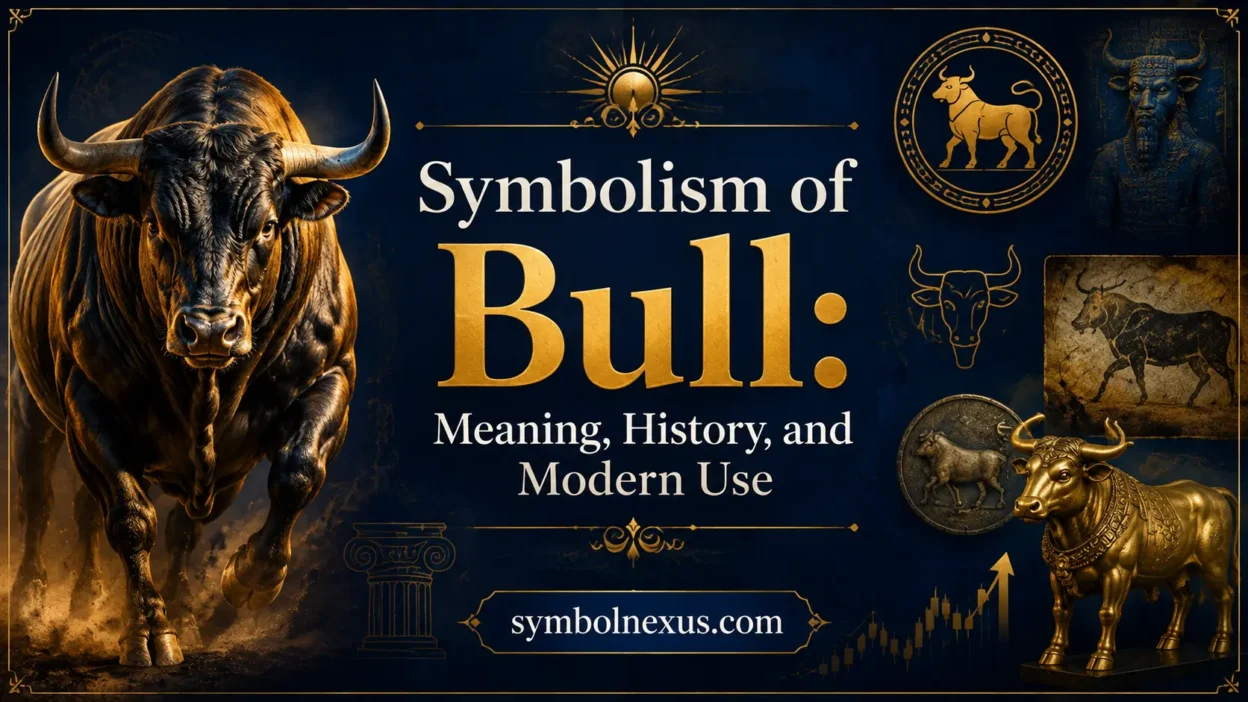
Throughout human culture, animals have often represented ideas that go beyond their physical presence. The bull is one of the most recognizable animal symbols, appearing in mythology, religion, art, agriculture, sports, branding, and personal expression. The symbolism of bull is commonly connected with strength, determination, fertility, stability, and resilience, but its meaning changes depending on the culture and context where it appears.
For many Americans, the bull represents confidence, ambition, and the ability to overcome challenges. It appears in business imagery, sports identities, Western traditions, tattoos, and decorative art. At the same time, older traditions viewed the bull through agricultural, spiritual, and mythological perspectives, giving the animal a much broader symbolic history.
Understanding bull symbolism requires looking at both its practical importance and the ideas people have attached to it over thousands of years. From ancient farming societies to modern Wall Street language, the bull continues to represent human qualities such as persistence, courage, and forward movement.
Quick Answer
The symbolism of bull commonly represents strength, determination, confidence, and prosperity in modern American culture, especially in business, sports, and personal identity. Historically, bulls have also symbolized fertility, protection, sacrifice, and power in many ancient cultures.
TL;DR
- Bulls symbolize strength, courage, and determination.
- Ancient cultures linked bulls with fertility and sacred power.
- Americans often associate bulls with ambition and success.
- Bull imagery appears in tattoos, brands, and sports.
- Financial language uses bulls to represent market growth.
- Some cultures view bulls as sacred or ceremonial animals.
What the Bull Symbol Represents in Modern Culture
The bull is often seen as a symbol of physical and mental strength. Its large body, horns, and powerful movement naturally create associations with confidence and endurance.
In modern American culture, people frequently connect the bull with qualities such as:
- Persistence during difficult situations
- Strong leadership
- Personal ambition
- Confidence under pressure
- The ability to keep moving forward
The bull’s reputation comes partly from its behavior as a strong farm animal and partly from the meanings created around it in stories, traditions, and popular culture.
A person who chooses bull imagery may want to communicate determination, independence, or a willingness to face challenges directly.
The Physical Characteristics Behind Bull Symbolism
The appearance of a bull plays an important role in its symbolic meaning. Several physical features contribute to the way humans interpret this animal.
The horns are often associated with defense, authority, and strength. Across many artistic traditions, horns became visual signs of power because they show the animal’s ability to protect itself.
The bull’s muscular body represents endurance and physical capability. Unlike symbols based on speed or elegance, the bull represents steady force and controlled power.
Its connection to farming also influences its symbolism. For thousands of years, cattle represented survival because they provided food, labor, and economic value for communities.
Ancient Roots and Early Bull Symbolism
Bull symbolism reaches back to some of the earliest civilizations. In agricultural societies, cattle were among the most valuable animals because they supported daily life.
Ancient communities often associated bulls with:
- Fertility because of reproduction
- Abundance because of agricultural success
- Strength because of physical labor
- Protection because of their defensive nature
In ancient Mesopotamia, Egypt, Greece, and other regions, bulls appeared in religious ceremonies and artistic representations. They were sometimes connected with gods, rulers, and ideas of cosmic order.
The bull was not simply viewed as an animal. It represented important forces that humans depended on, including nature, fertility, and survival.
Bull Symbolism in Mythology and Religion
Many mythologies include bulls as important figures or sacred animals.
In Greek mythology, the bull appears in stories connected with power and transformation. The famous story of the Minotaur combines human and bull characteristics, creating a symbol associated with strength, conflict, and the relationship between human nature and instinct.
Ancient Egyptian traditions connected bulls with sacred ideas. Certain bulls were honored as special animals representing divine qualities and royal authority.
In Hindu traditions, cattle hold significant cultural importance, and bulls can represent strength, devotion, and service. The bull Nandi is associated with the Hindu god Shiva and is respected as a sacred figure.
These examples show that bull symbolism has never had only one meaning. Different societies interpreted the animal according to their beliefs and values.
Bull Symbolism in the United States
In the United States, the bull has developed several modern meanings connected to business, identity, and popular culture.
One of the most familiar uses is financial language. A “bull market” describes a period when investors expect prices to rise. The image comes from the idea of a bull pushing upward with its horns, representing optimism and growth.
The bull also connects strongly with American Western culture. Ranching traditions, rodeos, and frontier imagery often use cattle symbolism to represent independence, toughness, and connection to the land.
Sports teams, businesses, and organizations also use bulls because the animal communicates energy, competitiveness, and strength.
| Context | Meaning in the USA | Common Associations | Notes |
|---|---|---|---|
| Business | Growth and confidence | Success, ambition, investment | Common in financial language |
| Western culture | Strength and independence | Ranching, toughness, tradition | Connected to cattle history |
| Tattoos | Personal power | Courage, resilience, identity | Often customized |
| Sports branding | Competition | Energy, victory, determination | Used for team names and logos |
| Home decor | Stability and boldness | Rustic style, confidence | Popular in Western-inspired designs |
Bull Symbolism in Tattoos and Personal Expression
Bull tattoos are popular among people who want an image connected with strength and determination.
A bull tattoo may represent:
- Overcoming personal struggles
- A strong personality
- Family or cultural heritage
- A connection to farming or rural life
- Confidence and ambition
The design style can influence the meaning. A realistic bull may emphasize natural strength, while a geometric or artistic bull may focus more on identity and personal interpretation.
Some people choose bull tattoos because they identify with the animal’s reputation for persistence. Others use the symbol as a reminder to remain steady during difficult periods.
Emotional and Psychological Meaning of the Bull
From a psychological perspective, symbols often work because people connect physical characteristics with personal qualities.
The bull can represent emotional qualities such as:
- Determination when facing obstacles
- Patience during long-term goals
- Confidence in personal decisions
- The ability to stand firm
However, bull symbolism can also include less positive interpretations. Because bulls are associated with force, some people connect them with stubbornness, aggression, or uncontrolled anger.
The meaning depends on how the symbol is presented. A calm bull may represent stability, while an attacking bull may communicate confrontation or intensity.
Bull Symbolism in Art, Design, and Branding
Artists and designers use bulls because the animal creates an immediate visual impression.
A bull image can communicate:
- Strength without needing words
- Traditional values
- Competitive spirit
- Bold personality
Companies sometimes use bull imagery to appear reliable and powerful. Sports organizations use it to suggest determination and winning attitudes.
In fashion and interior design, bull artwork often appears in Western-inspired spaces, where it represents ruggedness, tradition, and connection to nature.
Cross-Cultural Meanings of the Bull
Although bull symbolism appears worldwide, different cultures emphasize different aspects.
In some societies, bulls represent sacred protection and spiritual connection. In others, they represent wealth because cattle historically measured economic success.
Mediterranean cultures often connected bulls with mythology and ceremonial traditions. Agricultural communities commonly viewed bulls as symbols of productivity and survival.
The shared theme across many cultures is that bulls represent forces humans consider valuable: strength, fertility, stability, and endurance.
Positive and Negative Interpretations of Bull Symbolism
Bull symbolism is usually positive, but it can have different meanings depending on the situation.
Positive interpretations include:
- Courage
- Leadership
- Persistence
- Prosperity
- Protection
Negative interpretations may include:
- Stubbornness
- Aggression
- Recklessness
- Excessive pride
For example, calling someone a “bull” may suggest they are strong and determined, but it can also imply that they push forward without considering others.
This balance makes the bull a complex symbol rather than a simple representation of strength.
How Bull Symbolism Appears in Modern Digital Culture
Modern digital culture has introduced new ways for symbols to spread and change meaning.
Bull images appear in:
- Cryptocurrency communities
- Investment discussions
- Social media profiles
- Digital artwork
- Online branding
In financial communities, the bull remains associated with optimism and growth. In personal online identities, it often communicates confidence and ambition.
Because digital platforms allow people to combine symbols with personal stories, the meaning of a bull image can vary greatly from one person to another.
Common Misunderstandings About Bull Symbolism
One common misunderstanding is that the bull always represents aggression. While bulls can symbolize force and intensity, many traditions emphasize patience, productivity, and protection.
Another misconception is that bull symbolism has the same meaning everywhere. Cultural background strongly affects interpretation.
A bull used in a financial logo carries a different message from a bull used in a religious artwork or family tattoo.
Understanding context prevents oversimplifying the symbol.
The Evolution of Bull Meaning Over Time
The meaning of the bull has changed as societies have changed.
Early farming communities viewed bulls mainly through survival and agricultural importance. Religious traditions added sacred meanings, while mythology transformed the animal into a figure of power and mystery.
Modern societies often focus more on ambition, competition, and success. The bull became especially connected with business culture through financial terminology.
Despite these changes, the central ideas remain similar: strength, stability, and the ability to endure challenges.
FAQs About Bull Symbolism
What does a bull symbolize spiritually?
A bull can symbolize strength, protection, fertility, and stability in spiritual traditions. Some cultures view bulls as sacred animals connected with divine power or natural forces.
What does a bull tattoo symbolize?
A bull tattoo often represents determination, confidence, resilience, and personal strength. The meaning can also reflect someone’s connection to farming, heritage, or overcoming challenges.
Is a bull a positive symbol?
Yes, bulls are generally considered positive symbols associated with courage, prosperity, and endurance. However, some interpretations also connect bulls with stubbornness or aggression.
Why is a bull used in financial markets?
A bull represents optimism and rising markets because investors who expect growth are called “bulls.” The upward movement associated with a bull’s horns helped create this financial image.
What does a bull symbolize in American culture?
In the United States, bulls commonly represent ambition, strength, independence, and success. They appear in business, sports, Western traditions, and personal artwork.
Are bulls sacred in any cultures?
Yes, several cultures have considered bulls sacred or spiritually important. Different religions and traditions have connected bulls with divine qualities, protection, and fertility.
Conclusion
The symbolism of bull reflects a long relationship between humans and one of the world’s most recognizable animals. From ancient agricultural societies to modern American business culture, the bull has represented strength, endurance, confidence, and stability.
Although the meaning changes across cultures and situations, the bull remains a symbol people use to express determination and resilience. Whether seen in artwork, tattoos, financial language, or cultural traditions, the bull continues to represent the human desire to stand strong and move forward.