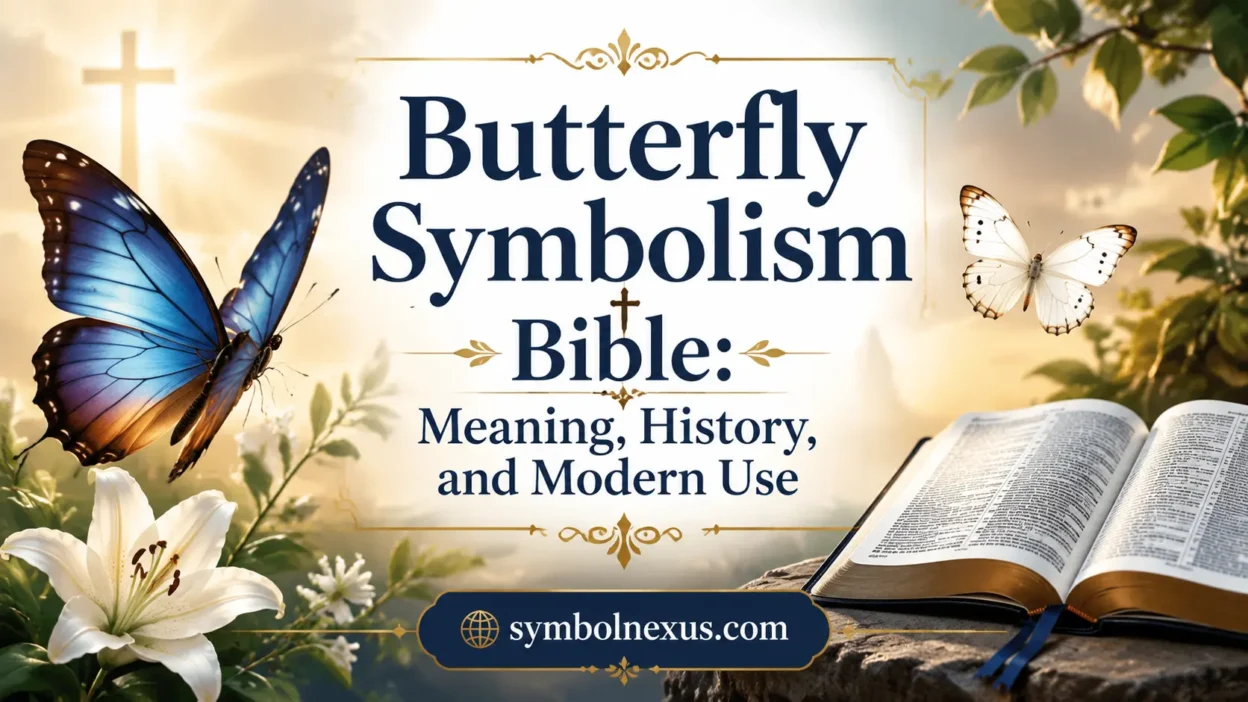
Butterflies have long been associated with change, renewal, and transformation, but their meaning becomes more specific when viewed through a biblical lens. The butterfly symbolism Bible explores how this delicate creature connects with ideas such as spiritual growth, resurrection, hope, and the renewal of life. While butterflies are not mentioned directly in Scripture, many Christian traditions use their natural transformation as a visual reminder of faith and personal change.
For many Americans, butterflies represent more than beauty. They often appear in religious artwork, memorial designs, tattoos, wedding decorations, and personal expressions of hope. Their journey from caterpillar to winged insect creates a powerful connection with themes found throughout Christian teachings, especially the idea that life can experience meaningful transformation.
Understanding butterfly symbolism requires looking at both biblical themes and cultural interpretations. The symbol has developed over time through Christian art, religious reflection, and modern American traditions.
Quick Answer
Butterfly symbolism Bible commonly represents transformation, renewal, and spiritual rebirth in Christian interpretation, especially through the image of a changed life through faith. Historically, butterflies have been connected with resurrection, hope, and the promise of new beginnings in religious art and traditions.
TL;DR
- Butterflies symbolize transformation and spiritual renewal.
- Christianity connects them with resurrection themes.
- The life cycle reflects personal growth and change.
- Americans use butterfly imagery for hope and remembrance.
- Colors add different emotional meanings.
- Modern tattoos often represent personal journeys.
Why Butterflies Became a Christian Symbol
The butterfly became linked with Christian symbolism because of its remarkable life cycle. A caterpillar enters a chrysalis and later emerges with wings, creating a natural image of change that many believers connect with spiritual transformation.
Although the Bible does not specifically describe butterflies, Christianity often uses examples from nature to explain spiritual ideas. The transformation from one physical form into another resembles biblical teachings about becoming renewed through faith.
The butterfly’s journey can represent leaving behind an old way of life and embracing a new identity. This interpretation connects with passages about renewal, change, and becoming spiritually transformed.
The Connection Between Butterflies and Resurrection
One of the strongest Christian associations with butterflies is resurrection. The process of emerging from a chrysalis is often compared with the idea of moving from death into new life.
Early Christian thinkers frequently used natural images to explain spiritual concepts. A butterfly emerging from a hidden place became a visual reminder of hope beyond suffering and the belief that life continues beyond physical limitations.
In churches, religious art, and memorial settings, butterfly imagery is sometimes used to represent comfort, faith, and the hope of eternal life.
Biblical Themes Connected to Butterfly Symbolism
Even though butterflies are absent from biblical stories, several biblical themes closely match their symbolism.
| Biblical Theme | Butterfly Connection | Common Interpretation |
|---|---|---|
| Renewal | Transformation from caterpillar to butterfly | Becoming a changed person |
| Resurrection | Emerging from a hidden stage | Hope after death |
| New Creation | A completely different form | Spiritual rebirth |
| Hope | Beauty after struggle | Faith during difficult times |
| Growth | Natural development | Personal and spiritual maturity |
These connections come from interpretation rather than direct biblical references. The butterfly serves as a symbolic illustration of ideas already present in Christian teachings.
Transformation and Spiritual Growth in Christian Thought
Transformation is one of the most common meanings associated with butterflies. In Christian belief, transformation often refers to a person’s spiritual journey and relationship with God.
The butterfly’s development shows that change can happen gradually. A caterpillar does not immediately become a butterfly; it passes through stages. Many believers see this as a reminder that spiritual growth also takes patience.
This interpretation is especially meaningful for people experiencing major life changes, recovery, personal struggles, or renewed faith.
Butterfly Symbolism in American Christian Culture
In the United States, butterflies appear frequently in Christian communities through decorations, artwork, and personal symbols.
Many churches use butterfly designs during celebrations of renewal, Easter events, and children’s religious programs. The image is also common in memorial services because it represents peace, remembrance, and the continuation of life.
American families often choose butterfly symbols for jewelry, garden decorations, and keepsakes because they provide a comforting connection between beauty, memory, and faith.
The Meaning of Butterfly Colors in Religious Symbolism
The color of a butterfly can influence how people interpret its meaning. While color symbolism varies between traditions, many Americans associate certain colors with specific emotions and spiritual ideas.
A white butterfly is often connected with purity, peace, and innocence. A blue butterfly may represent hope, calmness, and spiritual reflection. A yellow butterfly is commonly linked with joy and positivity.
These meanings are cultural interpretations rather than fixed biblical rules, but they influence how people use butterfly imagery today.
Butterfly Symbolism in Christian Art and Design
Butterflies have appeared in religious-inspired artwork because they communicate ideas visually without requiring words.
Artists often place butterflies near flowers, crosses, light, or heavenly scenes to suggest renewal and spiritual beauty. In modern Christian design, butterflies appear on church materials, inspirational artwork, and personal faith items.
Their appeal comes from the simple message they communicate: change can lead to something beautiful.
Butterfly Symbolism in Funerals and Memorials
Many Americans associate butterflies with remembering loved ones. Their connection with transformation and peaceful beauty makes them a common choice for memorial designs.
Butterfly decorations may appear on funeral programs, remembrance jewelry, garden stones, and tribute artwork. For many people, the butterfly represents the idea that a person’s influence continues even after their physical life ends.
This meaning provides comfort without requiring a single religious interpretation.
Butterfly Tattoos and Personal Faith Expressions
Butterfly tattoos are popular because they allow people to express personal stories of change, survival, and growth.
For Christians, a butterfly tattoo may represent renewed faith, overcoming hardship, or a connection with resurrection themes. Some designs include crosses, Bible verses, flowers, or other religious elements.
However, butterfly tattoos are not limited to religious meanings. Many people choose them simply to represent personal transformation or important life experiences.
Butterfly Symbolism Beyond Christianity
Butterflies hold symbolic meanings in many cultures outside Christianity. In some traditions, they represent the soul, change, happiness, or the connection between physical and spiritual life.
Different cultures developed their own interpretations based on local beliefs and traditions. These meanings are not always connected to Christian views but show why butterflies have become such a widely recognized symbol.
The shared idea across many cultures is change. The butterfly’s natural life cycle makes it an easy image for human experiences of growth and transition.
Emotional and Psychological Meaning of Butterflies
From a psychological perspective, butterflies often represent positive change and emotional freedom.
People may feel connected to butterfly imagery during times of recovery, personal development, or major transitions. The symbol can remind individuals that difficult periods can lead to new opportunities.
In counseling, art, and personal expression, butterfly images are often chosen because they communicate hope without needing complicated explanations.
Modern Uses of Butterfly Symbolism in the United States
Today, butterfly symbolism appears in many areas of American life:
- Religious artwork and church decorations
- Memorial services and remembrance items
- Jewelry and fashion designs
- Home decorations and gardens
- Tattoos and personal artwork
- Social media messages about growth and change
The symbol remains popular because it works across different communities. Some people view it through faith, while others see it as a personal reminder of resilience.
Common Misunderstandings About Butterfly Symbolism
A common misunderstanding is that every butterfly meaning comes directly from the Bible. In reality, many interpretations developed through Christian tradition, art, and cultural reflection rather than direct Scripture.
Another misconception is that butterflies always represent happiness. While they often symbolize positive change, they can also represent difficult transitions, loss, and emotional healing.
Symbol meanings depend on context, culture, and personal experience.
How Butterfly Meaning Has Changed Over Time
The meaning of butterflies has expanded as societies changed. Earlier Christian interpretations focused heavily on resurrection and spiritual renewal. Modern interpretations include personal growth, emotional healing, identity, and self-expression.
Today, a butterfly may represent faith for one person, recovery for another, or simply appreciation for nature’s beauty.
This flexibility explains why butterfly imagery continues to appear in both religious and nonreligious settings.
Frequently Asked Questions
Are butterflies mentioned in the Bible?
No, butterflies are not directly mentioned in the Bible. However, Christians often connect their transformation process with biblical ideas of renewal, resurrection, and spiritual change.
What does a butterfly symbolize in Christianity?
In Christianity, butterflies commonly symbolize transformation, new life, and resurrection. The change from caterpillar to butterfly is often viewed as an illustration of spiritual renewal.
Is a butterfly a symbol of the resurrection of Jesus?
Butterflies are sometimes used as a symbolic reminder of resurrection, but the Bible does not officially identify butterflies as a resurrection symbol. The connection comes from Christian tradition and interpretation.
What does a butterfly tattoo mean in Christianity?
A Christian butterfly tattoo may represent faith, personal transformation, forgiveness, or a renewed relationship with God. The meaning depends on the person’s beliefs and design choices.
What does a white butterfly symbolize spiritually?
A white butterfly is often associated with purity, peace, hope, and spiritual reflection. These meanings come from cultural symbolism rather than a specific biblical command.
Why are butterflies used in memorial services?
Butterflies are used in memorial settings because they represent remembrance, transformation, and hope. Many people find comfort in the idea of a beautiful symbol connected with continued love and memory.
Conclusion
Butterflies represent one of nature’s clearest examples of transformation, which is why they became connected with ideas of renewal, hope, and spiritual change. While Scripture does not directly mention butterflies, Christian traditions often use their life cycle as a reflection of themes such as rebirth and new beginnings.
The meaning of butterfly symbolism Bible continues to evolve in modern American culture. For some, it represents faith and resurrection; for others, it reflects healing, personal growth, or remembrance.
The butterfly remains meaningful because it shows a simple but lasting idea: change can create something new.