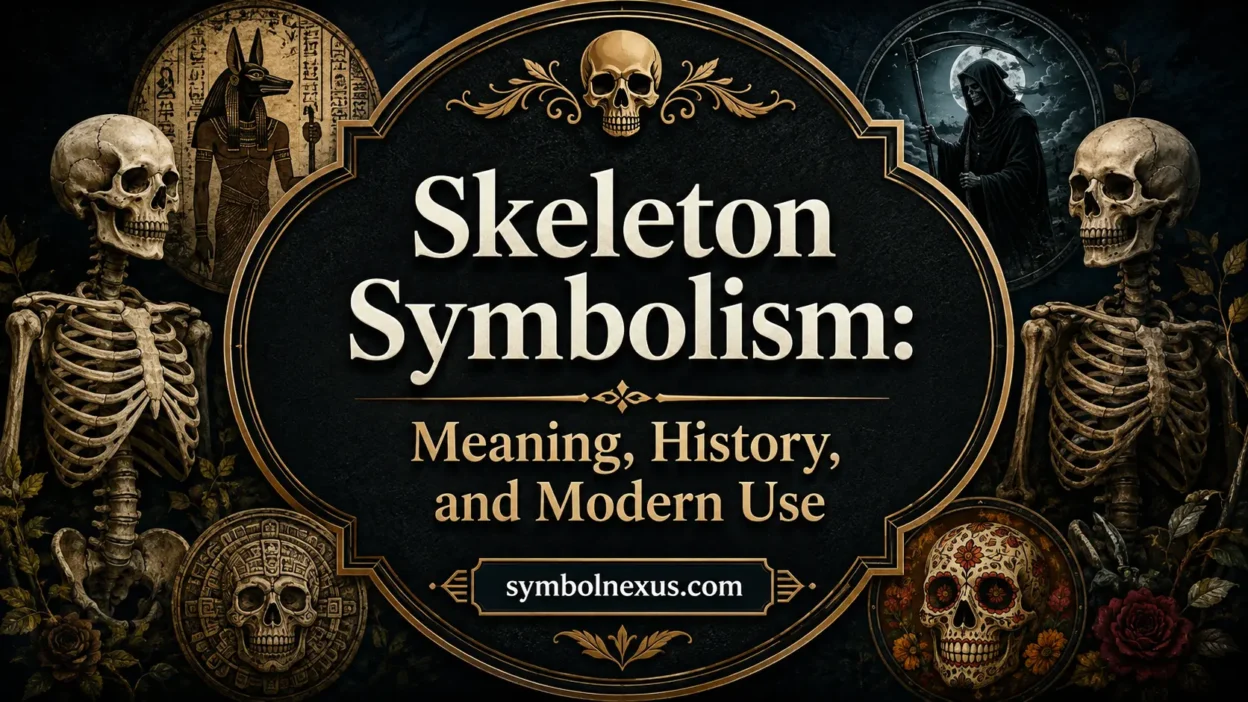
Skeletons are one of the most recognizable symbols in human culture. The human skeleton represents the structure hidden beneath the body, making it closely connected with ideas of mortality, identity, transformation, and the natural cycle of life. From ancient rituals to modern artwork, skeleton imagery continues to appear in many forms.
Skeleton symbolism has different meanings depending on the cultural setting. In the United States, skeletons are often associated with Halloween, horror films, tattoos, and artistic expressions about life and death. However, the symbol is not only about fear. Many people also view skeletons as reminders of strength, honesty, resilience, and the temporary nature of human existence.
Understanding why skeletons carry these meanings requires looking at history, religion, art, psychology, and modern American culture. The symbol has changed over time, moving from sacred traditions and reminders of mortality into a broader expression of creativity and personal identity.
Quick Answer
Skeleton symbolism commonly represents mortality, transformation, and the reality of human life in modern American culture, especially in Halloween traditions, art, tattoos, and popular media. Historically, skeletons have also symbolized death awareness, spiritual reflection, rebirth, and the connection between life and the natural world.
TL;DR
- Skeletons symbolize mortality, identity, and human existence.
- Ancient cultures used skeleton imagery for spiritual reflection.
- Americans connect skeletons with Halloween and creativity.
- Tattoos often represent strength, change, or remembrance.
- Skeleton meanings vary across cultures and religions.
What a Skeleton Represents as a Symbol
A skeleton is the internal framework that supports the human body. Unlike the face or clothing, which can show personality or social identity, a skeleton represents what exists beneath outward appearances.
Because every person shares the same basic skeletal structure, skeletons are often linked with equality and human connection. The symbol removes differences related to wealth, status, or appearance and focuses on the shared experience of being human.
At the same time, skeletons naturally remind people of death because they are what remains after the body is gone. This connection makes the symbol both unsettling and meaningful. It encourages people to think about life’s limits and the importance of how they spend their time.
The Historical Origins of Skeleton Symbolism
The symbolic meaning of skeletons developed across many civilizations. Ancient societies studied human remains for medical knowledge, religious practices, and philosophical ideas about existence.
In medieval Europe, skeleton imagery became strongly connected with mortality. Artists created images of skeletons to remind people that death could affect anyone regardless of social position. These artworks often appeared in religious settings and were meant to encourage humility and reflection.
The “Dance of Death” tradition, known as Danse Macabre, showed skeleton figures interacting with people from different social classes. The message was that death was a universal experience shared by kings, workers, and ordinary citizens alike.
Over time, skeleton imagery moved beyond religious warnings and became a broader artistic symbol.
Skeleton Symbolism in the United States
In American culture, skeletons have several major meanings. The most familiar connection is Halloween, where skeleton decorations, costumes, and displays represent the spooky side of the holiday.
However, American interpretations are not limited to fear. Many people use skeleton imagery in creative ways. Artists, musicians, and designers often use skeletons to explore themes such as identity, rebellion, humor, and acceptance of mortality.
Skeletons also appear in educational settings, medical illustrations, and science museums. In these contexts, the symbol represents knowledge, anatomy, and curiosity rather than danger.
| Context | Meaning in the USA | Common Associations | Notes |
|---|---|---|---|
| Halloween | Mystery and mortality | Costumes, decorations, fear | One of the most common uses |
| Tattoos | Personal meaning | Strength, change, memories | Often customized |
| Art | Human experience | Identity, emotions, reflection | Used creatively |
| Medicine | Knowledge | Anatomy, science | Represents learning |
| Fashion | Style and attitude | Individuality, rebellion | Popular in alternative designs |
Religious and Spiritual Interpretations of Skeletons
Skeleton imagery appears in several religious and spiritual traditions, although meanings differ greatly.
In Christianity, skeletons are sometimes used as reminders of mortality and the temporary nature of earthly life. They can encourage reflection on spiritual values rather than material concerns.
In Mexican Día de los Muertos traditions, skeleton imagery takes a different direction. Decorative skeleton figures called calaveras celebrate the memory of deceased loved ones and treat death as a natural part of life. The symbol focuses on remembrance, family connection, and honoring ancestors.
Some Buddhist traditions also use meditation practices involving images of impermanence, including reflections on the changing nature of the body. These practices focus on awareness and acceptance rather than fear.
The Connection Between Skeletons and Death Awareness
One of the strongest meanings associated with skeletons is awareness of death. The symbol acts as a visual reminder that human life has limits.
Unlike symbols that represent only danger, skeletons often encourage people to appreciate life. Seeing a skeleton can inspire thoughts about personal goals, relationships, and the importance of meaningful experiences.
This idea appears in the phrase “remember you must die,” historically connected with the concept of memento mori. The purpose was not simply sadness but awareness that life should be lived intentionally.
Skeleton Symbolism and Transformation
Skeletons are also connected with transformation because they represent what remains after physical change.
Many people interpret skeleton imagery as a symbol of survival, rebuilding, and personal growth. A person may choose a skeleton tattoo after overcoming a difficult period as a reminder of strength and endurance.
In this context, the skeleton is not a symbol of ending but of continuing. It represents the idea that people can change while carrying lessons from their past experiences.
Why Skeleton Tattoos Are Popular
Skeleton tattoos are common because the symbol can hold many personal meanings. Unlike some symbols with fixed interpretations, skeleton designs allow people to express individual stories.
Common meanings behind skeleton tattoos include:
- Acceptance of mortality
- Personal transformation
- Strength after hardship
- Connection to loved ones who passed away
- Independence and nonconformity
- Interest in anatomy or science
Design choices also influence meaning. A realistic skeleton may represent honesty and human nature, while a colorful or artistic skeleton may represent celebration, creativity, or cultural traditions.
Skeletons in Halloween and Popular Culture
Halloween has played a major role in shaping modern American views of skeletons. During October, skeleton decorations appear in homes, stores, movies, and community events.
Popular culture also uses skeletons frequently. Horror films often present skeleton imagery to create fear, while fantasy stories may use skeleton characters as magical or symbolic figures.
At the same time, cartoons, video games, and music often portray skeletons with humor. These different uses show that the symbol has moved beyond a single meaning.
Psychological Meaning of Skeleton Imagery
From a psychological perspective, skeletons represent ideas people often avoid discussing, especially aging and death.
Seeing a skeleton can create discomfort because it reveals something hidden beneath everyday appearance. However, that discomfort can also lead to reflection and acceptance.
For some individuals, skeleton imagery represents honesty because it removes superficial differences. The symbol suggests that beneath social roles and personal identities, humans share common experiences.
Skeleton Symbolism in Fashion, Design, and Decor
Skeleton designs appear in clothing, jewelry, home decorations, and graphic design. Their popularity comes partly from their visual strength.
In fashion, skeleton patterns may communicate alternative style, individuality, or interest in darker aesthetics. In home decor, skeleton decorations are especially common during Halloween but can also appear in artistic collections.
Designers often combine skeleton imagery with flowers, animals, clocks, or religious symbols to create more complex meanings. For example, a skeleton with flowers may represent the relationship between death and renewal.
Common Misunderstandings About Skeleton Symbolism
A common misunderstanding is that skeletons always represent something negative. While they can represent death, their meaning is much broader.
Many cultures use skeleton imagery to celebrate life, remember ancestors, or express personal growth. The symbol itself is not automatically connected with fear, danger, or darkness.
Another misconception is that all skeleton imagery has the same meaning worldwide. Cultural background strongly affects interpretation. A Halloween skeleton decoration and a Día de los Muertos calavera may look similar but carry different messages.
How Skeleton Symbolism Has Changed Over Time
Skeleton meanings have evolved as societies changed. Earlier traditions often focused on mortality and spiritual reflection, while modern uses include personal expression, entertainment, science, and design.
Today, skeletons can represent both endings and beginnings. They may remind people of death while also celebrating survival, creativity, and individuality.
This flexibility explains why skeleton imagery continues appearing in many areas of American culture.
Frequently Asked Questions
What does a skeleton symbolize?
A skeleton commonly symbolizes mortality, human identity, and the reality of life’s limits. It can also represent transformation, strength, and acceptance of change.
Are skeletons considered a negative symbol?
Not always. Although skeletons are often connected with death, many cultures use them to represent remembrance, celebration, knowledge, and personal growth.
What does a skeleton tattoo usually mean?
A skeleton tattoo can represent many things, including resilience, personal transformation, acceptance of mortality, or remembrance of someone important.
Why are skeletons associated with Halloween?
Skeletons became connected with Halloween because the holiday focuses on themes of death, mystery, and supernatural stories. They are now one of the most recognizable Halloween images.
What do skeletons symbolize in Mexican culture?
In Día de los Muertos traditions, skeletons often represent remembrance, family connections, and honoring deceased loved ones rather than fear.
Can skeleton symbolism have a positive meaning?
Yes. Many people view skeletons as reminders to appreciate life, overcome challenges, and recognize the shared human experience.
Conclusion
Skeletons represent much more than death. They reflect ideas about human existence, transformation, memory, and the connection between life and change. Different cultures have developed their own interpretations, from religious reflection to celebrations of ancestors and personal identity.
In modern America, skeleton symbolism appears in Halloween traditions, tattoos, art, fashion, and popular culture. Its meaning depends on context, but the symbol continues to encourage people to think about life, change, and what connects humanity beneath the surface.
A skeleton remains a reminder that understanding life often involves recognizing both its beauty and its limits.


